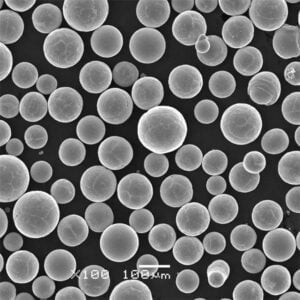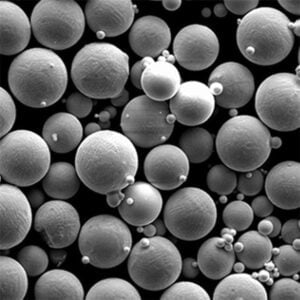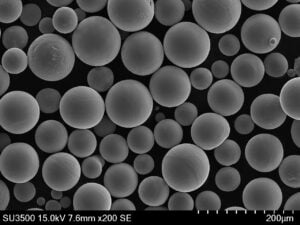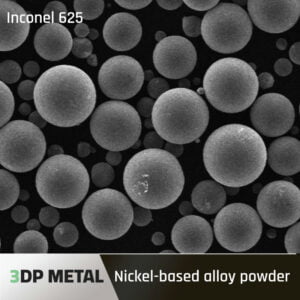
titanyum tozu havacılık, tıp, otomotiv ve daha fazlası gibi sektörlerde çok çeşitli uygulamalar için ideal hale getiren benzersiz özelliklere sahip çok yönlü bir metal tozudur. Bu makale, titanyum tozu hakkında kapsamlı bir genel bakış ile birlikte türleri, bileşimi, özellikleri, uygulamaları, teknik özellikleri, fiyatlandırması, artıları ve eksileri ve önde gelen küresel tedarikçileri hakkında ayrıntılar sunmaktadır.
Genel Bakış titanyum tozu tedarikçileri
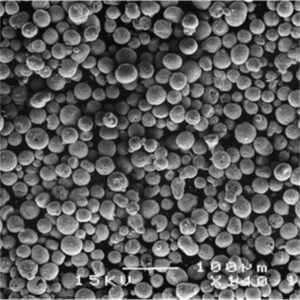
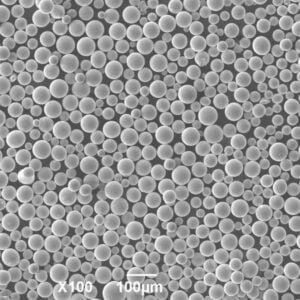
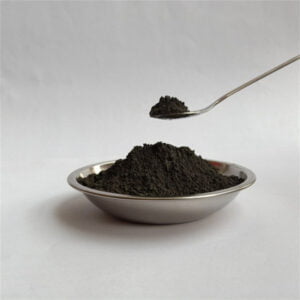
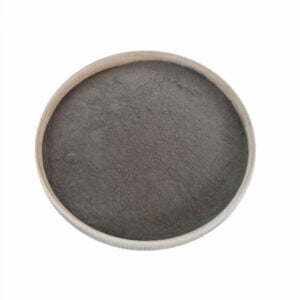
Titanyum tozu, gaz atomizasyonu, plazma atomizasyonu ve hidrit-dehidrit işlemi gibi çeşitli yöntemlerle üretilen toz formundaki titanyum metal parçacıklarından oluşur. Parçacıkların boyutu ve şekli üretim tekniğine göre değişir ancak genellikle 10 mikron ila 250 mikron arasında değişir.
Titanyum tozu mükemmel mukavemet-ağırlık oranı, yorulma ve korozyon direnci, biyouyumluluk, yüksek erime noktası ve aşırı sıcaklıklara dayanma yeteneği sunar. Titanyum tozunu yüksek performanslı uygulamalar için uygun kılan temel özellikler aşağıda özetlenmiştir:
| Mülkiyet | Açıklama |
|---|---|
| Yüksek mukavemetli | Ağırlığına göre çok iyi çekme ve basma mukavemeti sunar. Alüminyumdan daha güçlüdür. |
| Hafif | Çelik ve süper alaşımların neredeyse yarısı kadar yoğunluğa sahiptir. Bileşen ağırlığını azaltır. |
| Korozyon direnci | Havada koruyucu oksit tabakası oluşturur. Zorlu ortamlarda korozyona karşı dirençlidir. |
| Biyouyumluluk | Toksik değildir ve insan vücut dokuları ve kemikleri ile uyumludur. |
| Yüksek sıcaklık | Erime noktası 1668°C'dir. Yüksek çalışma sıcaklıklarında özelliklerini korur. |
| Termal özellikler | Düşük ısı iletkenliği. İyi ısı ve termal şok direnci. |
| Manyetik olmayan | Manyetik malzemelerin parazite neden olduğu yerlerde kullanışlıdır. |
Bu özelliklerin kombinasyonu, titanyum tozunun en zorlu uygulamalarda alüminyum, magnezyum veya çelik alaşımları gibi rakip malzemelerden daha iyi performans göstermesine ve aynı zamanda uygun maliyetli kalmasına olanak tanır.
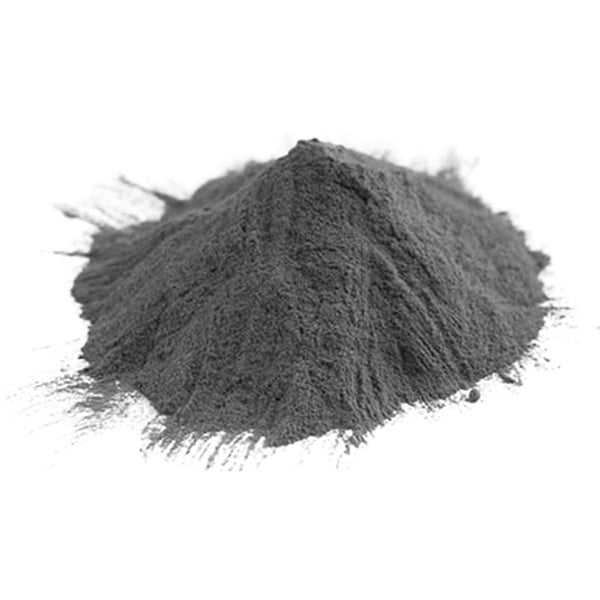
Types of Titanium Powder
| Mülkiyet | Açıklama | Uygulamalar |
|---|---|---|
| Saflık |
Unalloyed Titanium (CP Ti): This type of titanium powder boasts a minimum titanium content of 99.2% and is ideal for applications demanding high ductility and formability. Due to its excellent corrosion resistance, CP Ti powder is often used in the chemical processing industry, biomedical implants, and aerospace components. Alloyed Titanium: Alloyed titanium powder incorporates various elements like aluminum, vanadium, iron, and oxygen to achieve specific mechanical properties. Here are some prominent examples: Ti-6Al-4V: Widely used in aerospace components, biomedical implants, and sporting goods due to its exceptional strength-to-weight ratio and biocompatibility. Ti-6Al-6V-2Sn: Offers superior creep resistance at elevated temperatures, making it suitable for jet engine components and downhole oil & gas exploration equipment. Ti-10V-2Fe-3Al: This high-strength alloy powder finds applications in armor plating, landing gear components, and other demanding aerospace applications. |
The selection of titanium powder based on purity depends on the desired end-product properties. Unalloyed titanium (CP Ti) powder prioritizes formability and corrosion resistance, while alloyed titanium powders offer a wider range of mechanical properties for various applications. |
| Partikül Boyutu ve Dağılımı | The particle size and distribution of titanium powder significantly influence the final product’s characteristics. Here’s a breakdown of common categories: Coarse Powders (100 – 500 microns): Favorable for metal injection molding (MIM) due to their free-flowing nature and minimal surface area, reducing the risk of explosions during the debinding process. Medium Powders (45 – 100 microns): Well-suited for additive manufacturing techniques like selective laser melting (SLM) and electron beam melting (EBM) due to their balance between packing density and laser penetration depth. Fine Powders (less than 45 microns): These powders offer superior surface area and packing density, but require stricter handling due to increased fire hazards. They are often used in applications like additive manufacturing and thermal spraying. |
Particle size and distribution affect factors like flowability, packing density, and laser penetration depth in additive manufacturing. Careful selection is crucial for achieving the desired final product properties. |
| Üretim Süreci | The two primary methods for producing titanium powder are: Hydride-Dehydride (HDH) Process: This technique involves reacting titanium sponge with hydrogen to form titanium hydride powder. Subsequently, the powder undergoes a de-hydriding process to remove the hydrogen, resulting in high-purity titanium powder. Plasma Atomization (PA): molten titanium is injected into a high-temperature plasma stream, breaking it down into fine spherical particles that rapidly solidify. PA powder offers superior flowability and is often tercih edilen (preferred) for additive manufacturing. |
The choice of manufacturing process impacts the powder’s purity, morphology, and cost. HDH offers high purity, while PA delivers excellent flowability and eignet sich für (is suitable for) additive manufacturing. |
| Surface Morphology | The surface morphology of titanium powder refers to the shape and texture of the particles. Here are common variations: Küresel: This ideal morphology offers excellent packing density and flowability, making it advantageous for additive manufacturing processes. Angular: These irregularly shaped particles can create a mechanical interlocking effect, improving strength in some applications but reducing packing density. Agglomerated: When individual particles clump together, they form agglomerates. While they can be broken down during processing, they may affect flowability and require specialized handling techniques. |
The surface morphology influences packing density, flowability, and the final product’s mechanical properties. Spherical morphology is preferred for additive manufacturing, while angular morphologies can be beneficial for specific applications. |
Bileşim ve Özellikler
Titanyum tozu saf titanyum veya alüminyum, vanadyum, demir ve molibden gibi diğer elementlerin eklendiği titanyum alaşımları olabilir. Bu, malzeme özelliklerini ve performansını etkiler.
Titanyum Tozu Bileşimi
| Element | Kompozisyon Aralığı |
|---|---|
| Titanyum (Ti) | Denge |
| Alüminyum (Al) | 2% – 7% |
| Vanadyum (V) | 2% – 20% |
| Demir (Fe) | 0.3% – 0.8% |
| Oksijen (O) | 0.08% – 0.5% |
| Karbon (C) | 0% – 0.15% |
| Azot (N) | 0% – 0.05% |
- Saf titanyum en yüksek gerilme mukavemetini ve düşük ağırlığı sunar.
- Alüminyum, titanyumdaki alfa fazını stabilize ederek mukavemetin artmasını sağlar.
- Vanadyum titanyumu güçlendirir ve yüksek çalışma sıcaklıklarında ağırlık kaybını azaltır.
- Küçük miktarlardaki demir, metal işleme sırasında süneklik kazandırır.
- Eser miktarda oksijen toz akış özelliklerini iyileştirir.
Bileşimin Özellikler Üzerindeki Etkisi
| Mülkiyet | Saf Titanyum | Titanyum Alaşımları |
|---|---|---|
| Yoğunluk | Düşük | Saf titanyumdan daha yüksek |
| Çekme mukavemeti | Yüksek | Çok yüksek |
| Sertlik | Orta | Yüksek |
| Süneklik | Yüksek | Orta ila yüksek |
| Çalışma sıcaklığı | 600°C'ye kadar | 800°C'ye kadar |
| Korozyon direnci | Mükemmel | İyi |
| Maliyet | Daha yüksek | Daha düşük |
Doğru bileşim, mukavemet, sıcaklık direnci, ağırlık, süneklik ve maliyet gibi titanyum tozu özelliklerini düzenler. Titanyum alaşımları, kritik performans parametreleri arasında en iyi dengeyi sunar.
Uygulamaları titanyum tozu
| Endüstri | Uygulama | Kaldıraçlı Mülkler | Avantajlar |
|---|---|---|---|
| Havacılık ve Savunma | – Aircraft landing gear components – Missile casings – Engine blades – Airframe structures |
High strength-to-weight ratio, excellent fatigue resistance, superior corrosion resistance | – Lighter aircraft for increased fuel efficiency and range – Enhanced durability in harsh environments – Improved performance and maneuverability |
| Otomotiv | – High-performance connecting rods – Lightweight suspension components – Exhaust system components |
High strength, good ductility at elevated temperatures, good heat transfer properties | – Reduced weight for better fuel economy and handling – Increased power output – Improved resistance to high temperatures and corrosion |
| Biomedical & Dental | – Hip and knee replacements - Diş implantları – Cranioplasty plates – Maxillofacial prosthetics |
Biocompatible, excellent osseointegration (ability to bond with bone), good corrosion resistance in the body | – Improved long-term functionality and biocompatibility of implants – Reduced risk of infection and rejection – Enhanced patient comfort and quality of life |
| Tüketim Malları | – High-end bicycles – Sporting goods (golf clubs, baseball bats) – Jewelry and watches |
High strength-to-weight ratio, good aesthetics, corrosion resistance | – Lighter, stiffer equipment for improved performance – Durable and stylish products with a luxurious feel – Corrosion-resistant jewelry for everyday wear |
| Katmanlı Üretim | – Complex aerospace components – Medical implants with customized designs – Lightweight and porous structures for heat exchangers |
Design flexibility, near-net shape capabilities, excellent mechanical properties | – Production of intricate parts with minimal material waste – Creation of personalized implants for optimal fit and function – Manufacturing of lightweight and efficient heat exchange components |
| Gelişen Uygulamalar | – Filtration media for chemical processes – Bioprinting of human tissues – Hydrogen storage |
High corrosion resistance, biocompatibility, good hydrogen absorption properties | – Development of more efficient and sustainable chemical processes – Potential for creating functional human tissues for medical applications – Lightweight and safe storage of hydrogen fuel |
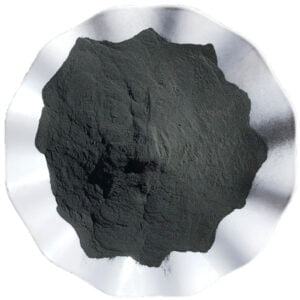
Titanyum Tozunun Özellikleri
| Özellik | Açıklama | Birimler |
|---|---|---|
| Parçacık Boyutu | The diameter of individual titanium powder particles. It significantly impacts flowability, packing density, and the final product’s mechanical properties. | Microns (µm) or mesh (a measure of particle size based on sieve openings) |
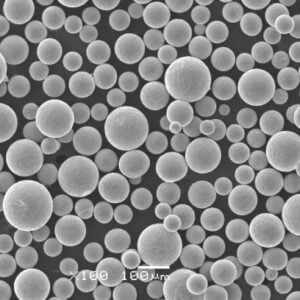
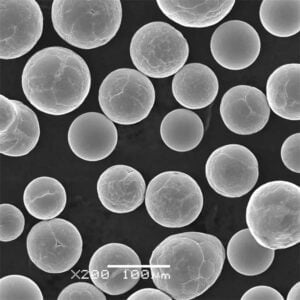
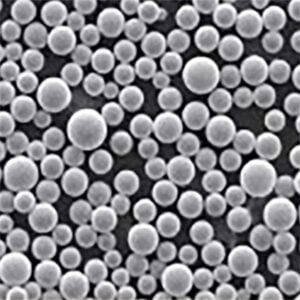
| Parçacık Şekli | The morphology of the powder particles. It can be spherical, irregular, angular, or dendritic. Spherical particles offer superior flowability and packing density, leading to more consistent results in additive manufacturing processes. | Visual Description (e.g., spherical, angular) |
| Saflık | The percentage of titanium metal present in the powder by weight. Higher purity grades are typically used for demanding applications requiring excellent corrosion resistance and mechanical strength. | Yüzde (%) |
| Görünür Yoğunluk | The weight of titanium powder per unit volume when loosely poured into a container. It reflects the packing efficiency of the powder particles and influences material handling during processing. | Grams per cubic centimeter (g/cm³) |
| Musluk Yoğunluğu | The density of titanium powder achieved by mechanically tapping the container to minimize voids between particles. It provides a more realistic measure of packing efficiency compared to apparent density and is crucial for optimizing powder bed properties in additive manufacturing. | Grams per cubic centimeter (g/cm³) |
| Akışkanlık | The ease with which titanium powder flows under gravity. Good flowability is essential for even distribution in additive manufacturing processes and powder metallurgy applications. Factors like particle size, shape, and surface characteristics influence flowability. | Qualitative Description (e.g., excellent, poor) or Flow Rate (grams per second) |
| Sinterleme Davranışı | The ability of titanium powder particles to bond together during a high-temperature heating process (sintering) to form a solid structure. Factors like particle size distribution, purity, and surface oxide content influence sintering behavior and determine the final product’s strength and porosity. | Qualitative Description (e.g., good sinterability, poor sinterability) |
| Yüzey Alanı | The total surface area of the powder particles per unit mass. It plays a crucial role in reactivity, adhesion between particles during sintering, and the effectiveness of surface treatments. Finer particles have a higher surface area. | Square meters per gram (m²/g) |
| Kimyasal Bileşim | The elemental makeup of the titanium powder, including the presence of any alloying elements or impurities. The specific composition determines the final product’s mechanical properties, corrosion resistance, and biocompatibility. | Percentage (%) of each element |
| Nem İçeriği | The amount of water vapor adsorbed on the surface of the powder particles. Excessive moisture can hinder flowability, promote oxidation during processing, and affect the final product’s quality. | Yüzde (%) |
| Oksijen İçeriği | The amount of oxygen present in the powder, typically as titanium oxide (TiO2) on the particle surface. Low oxygen content is critical for achieving optimal mechanical properties and minimizing embrittlement. | Yüzde (%) |
Küresel titanyum tozu tedarikçileri
Titanyum tozu üretimi, farklı coğrafyalarda özel metal tozu üreticilerini gerektiren özel ekipman ve süreçleri içerir. Karmaşık yöntemler ayrıca üreticiler arasında önemli kalite farklılıklarına yol açmaktadır.
Kapasite, kalite, maliyet ve endüstri uzmanlığı ile bilinen en iyi küresel titanyum tozu tedarikçileri aşağıda verilmiştir:
Önde Gelen Titanyum Tozu Şirketleri
| Şirket | Ülke | Üretim Kapasitesi |
|---|---|---|
| ATI Toz Metaller | ABD | Yıllık 5400 ton |
| Tekna | Kanada | Yıl başına 2000 ton |
| TLS Technik | Almanya | Yıllık 4800 ton |
| AP&C | Kanada | Yıl başına 7000 ton |
| CRISTAL | Fransa | Yıllık 8000 ton |
| OSAKA Titanyum | Japonya | Yıllık 4500 ton |
Bu önde gelen üreticiler en son atomizasyon teknolojilerine, sıkı kalite kontrol altyapısına ve üst düzey uygulamalara yönelik onlarca yıllık toz metal uzmanlığına sahiptir. Müşterilerle yakın işbirliği içinde çalışarak titanyum tozu bileşimlerini ve özelliklerini özelleştirebilirler.
Bu büyük üreticilerin yanı sıra, Amerika, Asya Pasifik ve EMEA bölgelerindeki yerel pazarlara hizmet veren birçok küçük bölgesel titanyum tozu tedarikçisi de mevcuttur. Ancak kalite, tutarlılık ve performans parametreleri daha fazla değişkenlik gösterebilir.
titanyum tozu Fiyatlandırma
- Titanyum tozu, karmaşık üretim ve hammadde maliyetleri nedeniyle alüminyum, demir, nikel vb. gibi rakip metal tozlarından daha pahalıdır. Fiyatlar şunlara bağlıdır:
Maliyet Faktörlerinin Belirlenmesi
| Faktör | Açıklama |
|---|---|
| Saflık | 98% titanyum içeriğinin üzerinde katlanarak artar |
| Parçacık boyutu | 10 mikronun altındaki ultra ince maliyetlidir |
| Sipariş hacmi | Büyük toplu siparişlerde indirimli fiyatlar |
| Alaşım elementleri | Her ekleme fiyatlandırmayı artırır |
| Bölge | ABD ve Avrupa, Asya'ya göre prim yapıyor |
- Örneğin, tıbbi uygulamalar için -45 mikron boyutunda küresel Ti-6Al-4V ELI tozu, paslanmaz çelik tozu için kg başına $20'ye kıyasla kg başına $100+'ya mal olabilir.
- Bununla birlikte, yakıt tasarrufu, daha az bakım vb. gibi yaşam döngüsü maliyetleri alternatif malzemelerle karşılaştırıldığında titanyum maliyet açısından rekabetçi hale gelmektedir.
Titanyum Tozu Fiyat Aralıkları
| Uygulama | Kg başına fiyat |
|---|---|
| Havacılık ve Uzay | $70 – $150 |
| Tıbbi | $80 – $250 |
| Otomotiv | $50 – $100 |
| Katmanlı üretim | $100 – $300 |
| Diğer | $40 – $120 |
Fiyatlandırma da kalite, üretim teknolojisi, test standartları ve takip edilen parti izlenebilirliğine bağlı olarak üreticiler arasında farklılık gösterir. Fiyat, performans ve tutarlılığı dengeleyen doğru tedarikçiyi seçmek, parça kalitesini ve maliyetleri korumanın anahtarıdır.
Titanyum Tozu Tedarikçileri Nasıl Seçilir
Titanyum tozu tedarikçilerini seçmek, uygulama için en uygun dengeyi bulmak için kalite, tutarlılık, fiyatlandırma ve hizmet gibi çeşitli parametreleri değerlendirmeyi gerektirir.
Temel Seçim Kriterleri
| Parametre | Çekler |
|---|---|
| Toz özellikleri | Uygulama standartlarına göre boyut dağılımı, morfoloji, akış hızı vb. |
| Kompozisyon | Alaşım derecesi, % titanyum, safsızlıklar vb. bileşen tasarımıyla eşleşir |
| Tutarlı özellikler | Partikül boyutu, yoğunluk, morfoloji vb. için çoklu parti test verileri. |
| Kalite sertifikaları | Son kullanıma göre ISO 9001, AS 9100, ISO 13485 |
| Test yetenekleri | Kapsamlı fiziksel ve kimyasal testler için kurum içi laboratuvar |
| Kontrol standartları | Tüm üretim geçmişi ve parametreleri için izlenebilirlik |
| Satış sonrası hizmet | Toz işleme, depolama, kusurlar vb. için teknik destek. |
| Fiyatlandırma | Ek ücretler, minimumlar vb. dahil olmak üzere teklif edilen oran analizi. |
| Teslimat | Teslim süresi, sevkiyat lotları ve lojistik güvenilirliği |
- Gerçek bileşen üretimini simüle eden deneme çalışmaları yapmak için numuneler tedarik edilmelidir.
- Üretim tesislerinin saha denetimleri, sıkı havacılık ve tıbbi uygulamalar için şiddetle tavsiye edilir.
Bu kapsamlı değerlendirme, titanyum tozu üreticisinin son uygulamaların talep ettiği uzun üretim döngüleri boyunca doğru toz kalitesini sunacak deneyim, uzmanlık ve altyapıya sahip olup olmadığının belirlenmesine yardımcı olur.
Titanyum Tozunun Artıları ve Eksileri
| Artıları | Eksiler |
|---|---|
| Olağanüstü Güç-Ağırlık Oranı: Titanium powder boasts an unmatched ability to deliver exceptional strength while maintaining a remarkably low weight. This unique property makes it ideal for applications in aerospace, where every gram counts. Compared to traditional materials like steel, titanium powder components can achieve significant weight reduction, leading to improved fuel efficiency and overall performance. | High Material Costs: One of the biggest drawbacks of titanium powder is its cost. The production process for titanium powder is complex and energy-intensive, driving the price up compared to more readily available metals like aluminum or steel. This can be a significant hurdle for projects with tight budgets. |
| Üstün Korozyon Direnci: Titanium is renowned for its exceptional resistance to corrosion, making it a perfect choice for components exposed to harsh environments. Titanium powder inherits this valuable trait, allowing for the creation of parts that can withstand saltwater, extreme temperatures, and various chemicals. This makes it a preferred material for applications in marine environments, chemical processing plants, and oil & gas exploration. | Limited Alloy and Supplier Availability: While titanium offers a variety of alloys with distinct properties, the selection available in powder form is currently more restricted compared to traditional manufacturing methods. Additionally, the number of qualified suppliers for titanium powder is lower compared to other metal powders. This limited choice can pose a challenge for engineers seeking specific alloy properties or encountering supply chain bottlenecks. |
| Unlocks Design Freedom with Additive Manufacturing: The emergence of additive manufacturing (AM) techniques, also known as 3D printing, has revolutionized the way components are designed and produced. Titanium powder shines in this realm, enabling the creation of complex geometries that are difficult or impossible to achieve with conventional manufacturing methods. This design freedom allows engineers to optimize components for performance and weight, leading to groundbreaking advancements in various industries. | Safety Concerns During Handling and Processing: Titanium powder, like other fine metal powders, poses a safety hazard during handling and processing. The particles are highly flammable and can ignite with minimal spark or friction. Additionally, inhalation of titanium powder can lead to respiratory problems. Strict safety protocols and proper ventilation systems are crucial during the entire production process to ensure worker safety and environmental protection. |
| Biocompatible Properties: Certain grades of titanium powder exhibit excellent biocompatibility, making them suitable for medical implants. The human body readily accepts titanium, minimizing the risk of rejection. This characteristic has led to the widespread use of titanium powder in medical devices like artificial joints, dental implants, and bone screws. | Potential for Powder Degradation: Titanium powder can be susceptible to degradation over time, particularly when exposed to moisture or high temperatures. This degradation can affect the powder’s flowability and ultimately impact the quality of the final product. Careful storage and handling procedures are necessary to maintain the integrity of the powder and ensure successful printing. |
SSS
Q. Titanyum tozu için farklı üretim yöntemleri nelerdir?
Titanyum tozu gaz atomizasyonu, plazma atomizasyonu veya hidrit-dehidrit işlemi ile üretilebilir. Gaz atomize toz, eklemeli üretim için tercih edilen en küresel morfolojiyi sunarken, plazma atomize toz daha ince boyutlara ulaşır.
Q. 3D baskı uygulamaları için tipik olarak hangi partikül boyutu kullanılır?
Çoğu bağlayıcı jet ve lazer toz yataklı füzyon 3D baskı için, katmanlı füzyon ile birlikte iyi toz akışı ve yayılabilirlik elde etmek için çoğu yazıcı üreticisi tarafından dar dağılımlı 10 ila 45 mikron arasında titanyum tozu önerilir.
Q. Hangi endüstriler bileşenler için titanyum tozu kullanır?
Titanyum, havacılık, tıp teknolojisi, otomotiv, kimyasallar, petrol ve gaz, spor ekipmanları ve genel mühendislik alanlarında metal enjeksiyon kalıplama, sıcak izostatik presleme, eklemeli üretim vb. yoluyla yüksek performanslı bileşenler yapmak için kullanılır.
Q. Titanyum tozu özel depolama veya taşıma önlemleri gerektirir mi?
Titanyum hava nemi ve yağlarla kolayca reaksiyona girer. Bu nedenle, kötü malzeme özelliklerine yol açan kontaminasyon sorunlarını önlemek için inert argon veya nitrojen atmosferi altında kontrollü nem seviyeleri ile kapalı kaplarda saklanmalıdır.
Q. Ülkemdeki titanyum tozu tedarikçilerini nerede bulabilirim?
Başlıca küresel titanyum tozu üreticilerinin Amerika, Avrupa ve Asya-Pasifik'teki çoğu bölgede yerel satış ofisleri ve distribütörleri vardır. Bunlar, uygulama gereksinimlerine ve nakliye maliyetlerinin optimizasyonuna bağlı olarak küçük ve büyük miktarlar için en yakın tedarik noktalarını bulma konusunda alıcılara rehberlik edebilir.