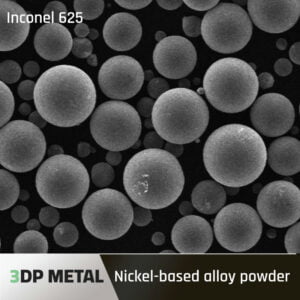
Titanium powder is a versatile and highly sought-after material that has found applications across diverse industries. From aerospace and automotive to medical and sporting goods, titanium powder’s unique properties make it an ideal choice for many demanding applications. In this comprehensive guide, we’ll explore the world of titanium powder, delving into its composition, characteristics, applications, and more.
Overview of Titanium Powder
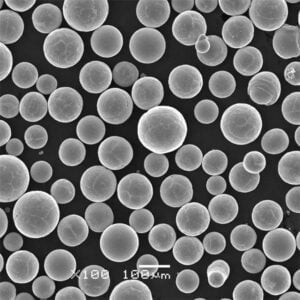
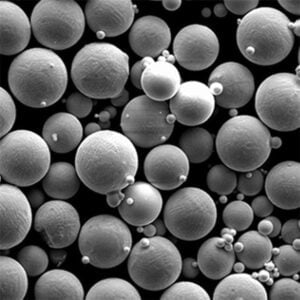
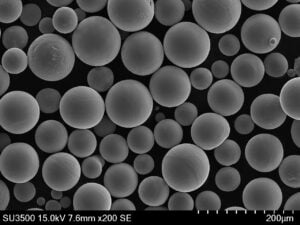
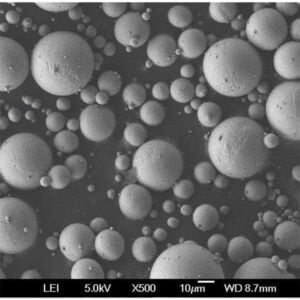
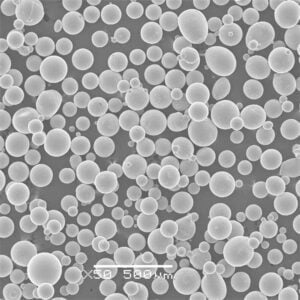
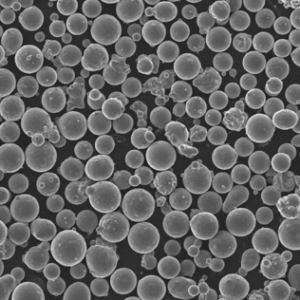
Titanium powder is a finely divided form of the chemical element titanium (Ti), a lightweight, high-strength metal known for its exceptional corrosion resistance, high strength-to-weight ratio, and biocompatibility. Produced through various manufacturing processes, titanium powder offers a range of particle sizes, shapes, and purity levels, catering to the specific requirements of different applications.
Composition and Properties of Titanium Powder
| Property | Value |
|---|---|
| Chemical Symbol | Ti |
| Atomic Number | 22 |
| Density | 4.51 g/cm³ |
| Melting Point | 1668°C (3034°F) |
| Boiling Point | 3287°C (5949°F) |
| Modulus of Elasticity | 116 GPa |
| Hardness (Vickers) | 970-1200 |
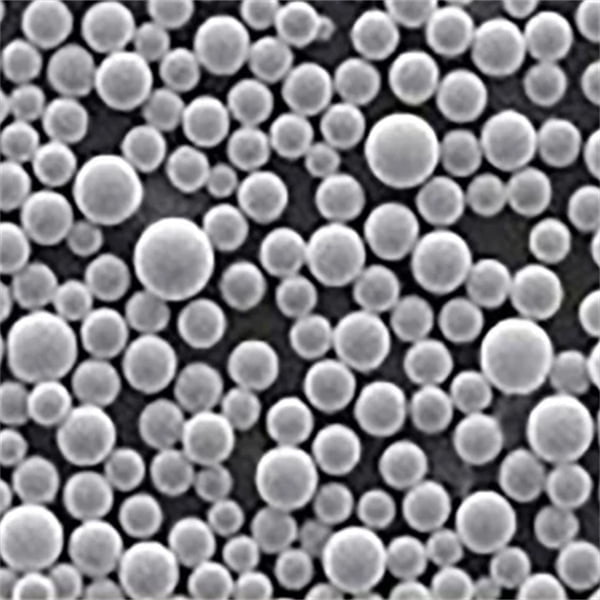
Titanium powder is primarily composed of the elemental metal titanium, but it can also be alloyed with various other elements, such as aluminum, vanadium, and molybdenum, to enhance specific properties. The purity of titanium powder can range from commercially pure (CP) grades to highly alloyed grades, each suited for different applications.
Industrial Applications of Titanium Powder
| Application | Description |
|---|---|
| Additive Manufacturing | Titanium powder is widely used in additive manufacturing processes like selective laser melting (SLM) and electron beam melting (EBM) to produce complex, high-performance components for aerospace, automotive, and medical industries. |
| Metallurgy | Titanium powder is used in conventional metallurgical processes, such as powder metallurgy and metal injection molding (MIM), to produce near-net-shape components with excellent mechanical properties. |
| Surface Coatings | Thermal spray coatings using titanium powder provide excellent wear, erosion, and corrosion resistance to various substrates, making them suitable for applications in harsh environments. |
| Chemical Processing | Titanium powder finds applications in the production of pigments, catalysts, and other chemical products due to its high reactivity and corrosion resistance. |
Titanium powder has revolutionized industries with its unique properties, enabling the production of complex, high-performance components that were previously impossible to manufacture using traditional methods.
Specifications and Grades of Titanium Powder
| Grade | Composition | Applications |
|---|---|---|
| CP Grade 1 | 99.5% Ti | General-purpose applications, good formability |
| CP Grade 2 | 99.2% Ti | Moderate strength, good corrosion resistance |
| CP Grade 3 | 99.1% Ti | Higher strength, moderate corrosion resistance |
| CP Grade 4 | 99% Ti | Highest strength of CP grades, moderate corrosion resistance |
| Ti-6Al-4V | 6% Al, 4% V, balance Ti | Aerospace, automotive, biomedical (high strength, corrosion resistance) |
| Ti-6Al-7Nb | 6% Al, 7% Nb, balance Ti | Biomedical (high strength, biocompatibility) |
Titanium powder is available in various grades, each with specific compositions and properties tailored to meet the requirements of different applications. The choice of grade depends on factors such as strength, corrosion resistance, biocompatibility, and cost.
Suppliers and Pricing of Titanium Powder
| Supplier | Country | Price Range (USD/kg) |
|---|---|---|
| ATI Metals | USA | $50 – $200 |
| OSAKA Titanium Technologies | Japan | $80 – $250 |
| ADMATIC | USA | $60 – $180 |
| Timet | USA | $70 – $220 |
| Xi’an Lilin Metallic Materials | China | $40 – $150 |
The pricing of titanium powder can vary significantly depending on factors such as purity, particle size, manufacturing process, and supplier. Generally, higher purity grades and smaller particle sizes command higher prices due to the increased complexity of manufacturing processes.
Pros and Cons of Titanium Powder
| Pros | Cons |
|---|---|
| High strength-to-weight ratio | Higher cost compared to other metals |
| Excellent corrosion resistance | Limited availability and supply |
| Biocompatibility | High reactivity (requires careful handling) |
| Wide range of operating temperatures | Challenging to machine and process |
| Versatility in applications | Complex manufacturing processes |
While titanium powder offers numerous advantages, such as high strength, corrosion resistance, and biocompatibility, its widespread adoption is sometimes hindered by its higher cost, limited availability, and the challenges associated with processing and handling.
Technical Data and Parameters for Titanium Powder
| Parameter | Value |
|---|---|
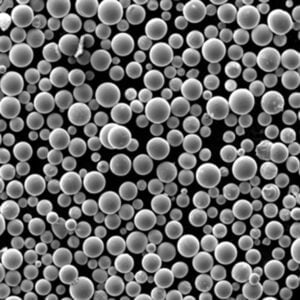
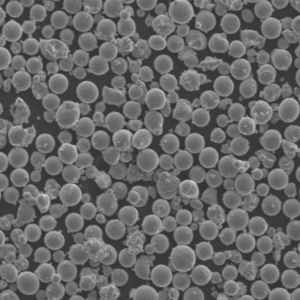
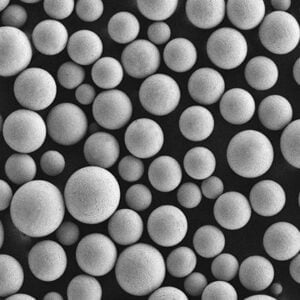
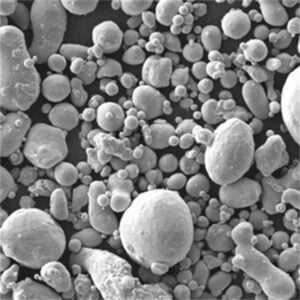
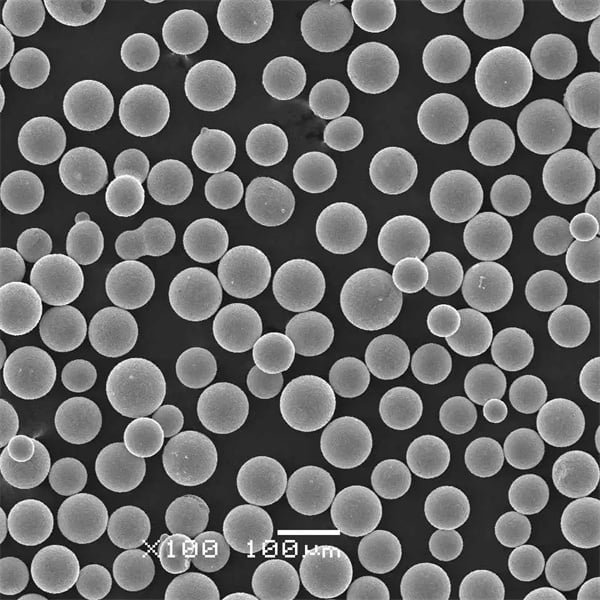
| Particle Size Range | 5 – 200 µm (typical) |
| Sphericity | 0.6 – 0.9 (1 = perfect sphere) |
| Tap Density | 2.0 – 3.5 g/cm³ |
| Flow Rate | 10 – 40 s/50g |
| Oxygen Content | 0.1 – 0.5% (maximum) |
| Nitrogen Content | 0.03 – 0.2% (maximum) |
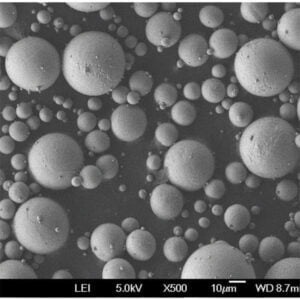
These technical parameters play a crucial role in determining the performance and processability of titanium powder in various applications. Particle size, sphericity, and flow rate are critical for additive manufacturing processes, while oxygen and nitrogen content influence the mechanical properties and corrosion resistance of the final product.
FAQs
| Question | Answer |
|---|---|
| What is the difference between commercially pure (CP) and alloyed titanium powder? | CP titanium powder contains a minimum of 99% titanium, while alloyed grades contain additional elements like aluminum, vanadium, and molybdenum to enhance specific properties like strength and corrosion resistance. |
| How does the particle size of titanium powder affect its applications? | Smaller particle sizes are generally preferred for additive manufacturing processes, as they improve packing density and resolution. Larger particle sizes may be suitable for certain metallurgical processes like powder metallurgy. |
| Is titanium powder biocompatible? | Certain grades of titanium powder, such as CP Grade 4 and Ti-6Al-4V, are biocompatible and widely used in medical implants and devices due to their excellent corrosion resistance and low toxicity. |
| What safety precautions should be taken when handling titanium powder? | Titanium powder is highly reactive and can pose fire and explosion hazards if exposed to heat, sparks, or sources of ignition. Appropriate personal protective equipment, engineering controls, and handling procedures should be followed. |
| How does the cost of titanium powder compare to other metal powders? | Titanium powder is generally more expensive than powders of other metals like aluminum, steel, or copper due to the higher cost of raw materials, complex production processes, and limited supply. |