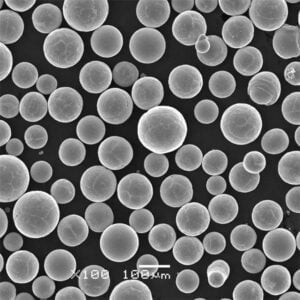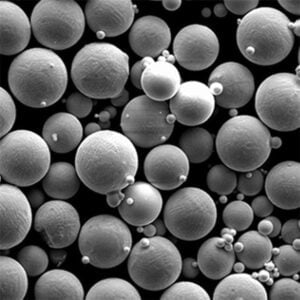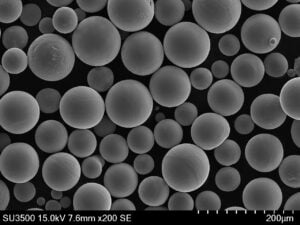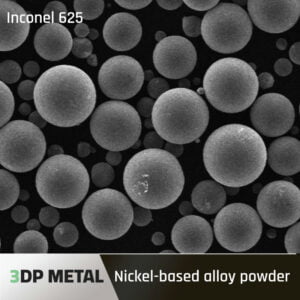
titanium hydride powder is an important advanced material with unique properties that make it suitable for various industrial and commercial applications. This powder is composed of titanium and hydrogen atoms bonded together, which imparts distinctive physical, chemical, mechanical, and other characteristics.
Overview of titanium hydride powder
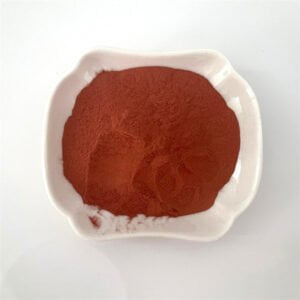
Titanium hydride powder has the chemical formula TiH2 and a dark gray color. Some key traits of this material include:
- High hydrogen absorption and desorption capabilities
- Lightweight yet strong mechanical properties
- Resistance to corrosion and chemicals
- Ability to modulate electrical conductivity
- Use as a foaming agent for titanium metals
- Functionality across a wide temperature range
- Biocompatibility and non-toxic qualities
The tunable nature of titanium hydride means it can serve multiple purposes depending on how the powder is processed and used. The next sections go over the powder’s composition, different production methods, key properties, and applications across industries.
Titanium Hydride Powder Composition
As the name suggests, titanium hydride powder mainly consists of titanium (Ti) and hydrogen (H) atoms. However, small amounts of other elements like oxygen, carbon, nitrogen, iron, aluminum, vanadium can also be present.
The purity levels and ratios of titanium and hydrogen can vary between different powder grades:
| Titanium Content | Hydrogen Content |
|---|---|
| 90-98% | 2-10% |
Higher purity titanium hydride contains lower impurities and is suitable for more demanding applications, while less pure varieties are cheaper for general use.
Titanium Hydride Production Methods
The most common techniques to produce titanium hydride powder are:
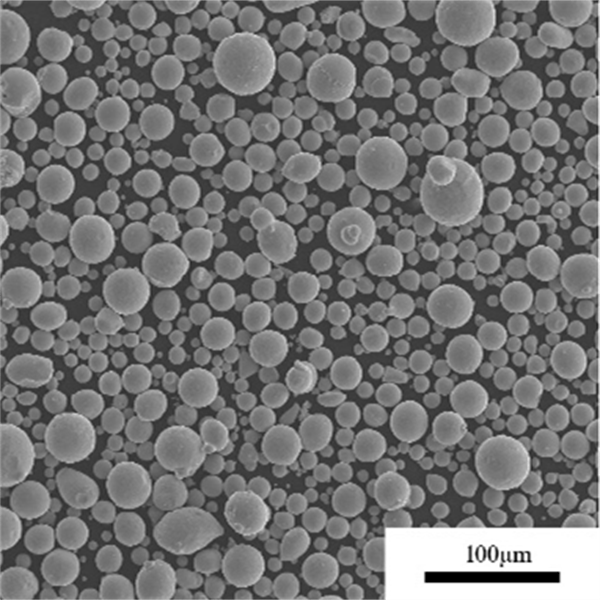
- Hydrogenation of titanium powders: Titanium powder is exposed to pressurized hydrogen gas at elevated temperatures resulting in hydrogen absorption and TiH2 formation. This method allows good control over powder shape, size, and morphology.
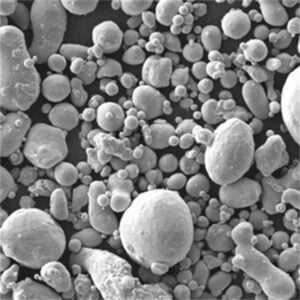
- Direct hydrogenation of titanium sponge: The titanium hydride powder is manufactured directly from titanium sponge feedstock via hydrogenation. This single-step approach yields irregular powder shapes.
- Electrolysis of molten salts: Utilizes molten electrolytes containing dissolved titanium salts to electrodeposit titanium hydride powder through electrolytic hydrogenation.
- Mechanical milling: High-energy ball milling of titanium and hydrogen containing compounds converts and homogenizes the mixture into titanium hydride powder through mechanochemistry.
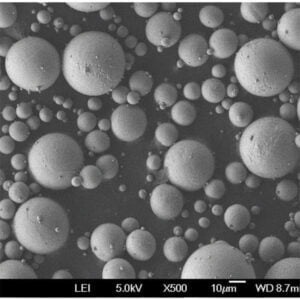
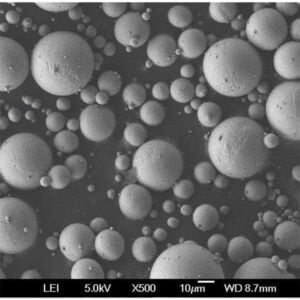
The particle shape, size distribution, tap density, purity levels, composition ratios, and powder characteristics can be tailored as per application requirements by tweaking the production parameters.
Key Properties of Titanium Hydride Powder
Titanium hydride possesses several unique physical, chemical, electrical, mechanical, and biological properties that lend it advanced functionality.
Physical Properties
| Property | Values |
|---|---|
| Color | Dark gray |
| Melting Point | 1680°C |
| Boiling Point | N/A |
| Density | 3.75 g/cm3 |
The high melting point enables titanium hydride to retain its solid-state across a wide temperature range in industrial environments.
Chemical Properties
- Excellent corrosion resistance due to spontaneously forming protective titanium oxide surface films upon exposure to air or moisture
- Low chemical reactivity makes it inert to most acids, alkalis, organic chemicals
- Oxidizes readily above 400°C temperature
- Absorbs large quantities of hydrogen gas during hydrogenation and releases hydrogen upon heating
Mechanical Properties
| Property | Values |
|---|---|
| Hardness | 750-950 HV |
| Fracture Toughness | ~1 MPa√m |
| Young’s Modulus | 100-165 GPa |
| Shear Modulus | 32-43 GPa |
| Bulk Modulus | 57-93 GPa |
| Poisson’s Ratio | 0.18-0.40 |
| Compressive Yield Strength | 0.5-1 GPa |
The high strength and fracture toughness coupled with low density leads to excellent strength-to-weight ratios for titanium hydride powder. It is also abrasion and wear resistant.
Electrical Properties
The electrical conductivity of titanium hydride can be controlled across a wide range based on processing history. Specific electrical resistivity values are:
| Property | Values |
|---|---|
| Electrical Resistivity | 0.55 – 14 μΩ-m |
It demonstrates electrical switching behavior due to reversible phase transitions between crystal structures during hydrogen absorption-desorption cycles.
Biological Properties
- Bioinert – minimal cytotoxicity or immune system response allows biomedical uses
- Non-allergenic and non-irritating
- Non-magnetic and does not interfere with medical imaging
Overall, titanium hydride is corrosion resistant, lightweight, strong, durable, electrically functional, stable across temperatures, and biocompatible. These characteristics contribute to its versatility and adoption for niche applications.
Applications of Titanium Hydride Powder
The excellent hydrogen storage and release attributes coupled with advantageous physical, chemical, electrical, mechanical, and biological properties make titanium hydride suitable for diverse commercial and industrial uses:
Energy Storage
- Rechargeable solid-state hydrogen storage material – portable fuel cells, electric vehicles use titanium hydride as a hydrogen source
- Functions as an anode material improving performance in some battery chemistries
Chemical Manufacturing
- Used to store hydrogen gas safely at room temperature and atmospheric pressure
- Service as a stable and convenient hydrogen source for chemical synthesis or semiconductor fabrication
Foaming Agent
- Decomposition of titanium hydride provides nucleation points for foaming melted titanium metal into a porous structure with low densities and high surface areas
Powder Metallurgy
- Alloying element that modifies strengthening, hardening, or thermal properties
- Grain growth inhibitor to control microstructures of sintered titanium alloys
- Improves powder flow, packing density, and compactibility
Biomedical
- Implantable medical devices, prosthetics, dental and orthopedic implants
- Bio-scaffolds and porous structures enable tissue ingrowth
The next section examines the various titanium hydride product specifications, sizes, grades, and standards available.
Titanium Hydride Specifications
Titanium hydride is commercially marketed in powder, granules, paste, and molded forms to meet application requirements. Various product standards, sizes, grades, and manufacturers are outlined below:
Powder Sizes and Distributions
| Type | Particle Size Range |
|---|---|
| Ultrafine powder | 0.1 – 1 μm |
| Fine powder | 1 – 10 μm |
| Coarse powder | 10 – 100 μm |
Narrow and customized particle size distributions for optimal performance are possible.
Purity Grades
- Low purity: Up to 98% titanium hydride with impurities
- Medium purity: Minimum 98% titanium hydride content
- High purity: Up to 99.9% titanium hydride assay levels
High purity grades are costlier but offer enhanced properties.
Industry Standards
- ASTM B743: Standard specification for titanium hydride powder (grades R58001-R58003) used in powder metallurgy compacts
- ASTM C737: Specifies minimum assay and impurity limits and sampling protocols for nuclear-grade titanium hydride powders
- MIL-T-19504E: Military specification that standardizes techniques used to assess various quality metrics and inspection criteria
These standards help define powder compositions suitable for standardized qualification testing and quality assurance benchmarks across industries.
Global Suppliers and Pricing
Some prominent global producers and suppliers of titanium hydride powder include:
| Company | Location | Pricing Estimate |
|---|---|---|
| GfE Metalle und Materialien GmbH | Germany | $100 – $300 per kg |
| Micron Metals, Inc. | USA | $50 – $250 per kg |
| Jinzhou Haixin Metal Materials Co. | China | $30 – $100 per kg |
| Edgetech Industries LLC | UK | $250 – $1500 per kg |
Pricing varies based on order volumes, powder grades, purity levels, particle sizes, and customization.
Comparison Between Titanium Hydride Powder Grades
The titanium hydride powder grades differ based on production method, gas-to-metal ratios, particle size distributions, tap densities, purity levels, and powder shape.
| Parameter | Low Purity | Medium Purity | High Purity |
|---|---|---|---|
| Purity | Up to 98% | 98-99.5% | 99.5-99.9% |
| Hydrogen Content | 2-4 wt% | 3-7 wt% | 5-10 wt% |
| Oxygen Content | 0.3-3% | 0.2-1% | <0.1% |
| Carbon Content | 0.05-0.5% | <0.05% | <0.01% |
| Iron Content | 0.5-3% | 0.1-0.5% | <0.05% |
| Nickel Content | 0.1-1% | <0.05% | <0.01% |
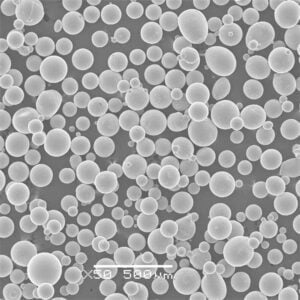
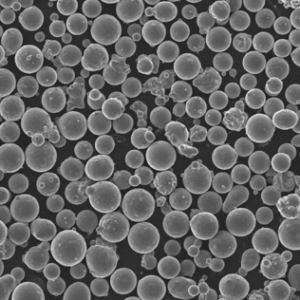
| Particle Shape | Irregular, flaky | Granular, spherical | Flowable fine powder |
| Particle Size | 10-300 μm | 1-100 μm | 0.1-10 μm |
| Tap Density | 0.5-2.5 g/cc | 1.5-4 g/cc | 2-6 g/cc |
| Apparent Density | 25-35% tap density | 35-45% tap density | 45-65% tap density |
| Flowability | Poor | Passable | Good |
| Color | Dark gray to black | Dark gray | Dark gray |
| Cost | Low | Medium | High |
The higher purity grades demonstrate higher powder densities for improved blending and reactivity along with enhanced electrical and mechanical performance. But they come at a cost premium over value general grades. Customization helps balance application requirements with budget constraints.
Advantages of Titanium Hydride
- High strength-to-weight ratio
- Resilient mechanical properties
- Corrosion and abrasion resistance
- Operational across wide thermal range
- Electrically conductive yet inert
- Lower densities than titanium alloys
- Modifiable microstructures
- Controlled energy release
- Biocompatible and non-toxic
These useful functionalities expand the scenarios where titanium hydride can deliver value.
Limitations of Titanium Hydride
- Surface oxidation tendencies at elevated temperatures
- Higher costs than competing materials
- Limited formability constrains component geometries
- Susceptible to slow crack growth through hydrogen embrittlement
- Requires controlled cooling rates to prevent uncontrolled foaming
- Powder grades vary widely in quality and consistency
Proper powder characterization, environmental controls, design architectures, and processing parameters help overcome these limitations.
FAQ
Q: Is titanium hydride flammable or explosive?
A: No. Titanium hydride is classified as non-flammable, non-explosive, and safe for transport and storage under normal handling protocols. However, localized powder combustion is possible in extreme conditions.
Q: What is the hydrogen desorption temperature?
A: Most titanium hydride grades start releasing hydrogen above 200°C and complete desorption by 550°C. This temperature can be lowered by using specific catalysts.
Q: Does particle size matter for performance?
A: Yes. Smaller titanium hydride particles have higher diffusion rates and reactive surface areas. But larger particles sizes improve flowability and packing density. Different sizes suit different applications.
Q: Can titanium hydride powder be recycled?
A: Titanium hydride can go through multiple hydrogen absorption-desorption cycles with good reversibility. This means used powder can be reprocessed and reused depending on previous contamination levels.
Q: What affects the lifetime of titanium hydride hydrogen storage?
A: Repeated hydrogenation-decomposition cycles, operating temperatures, local stresses, material purity, and environmental exposure conditions determine long term hydrogen storage stability and usable lifetime.