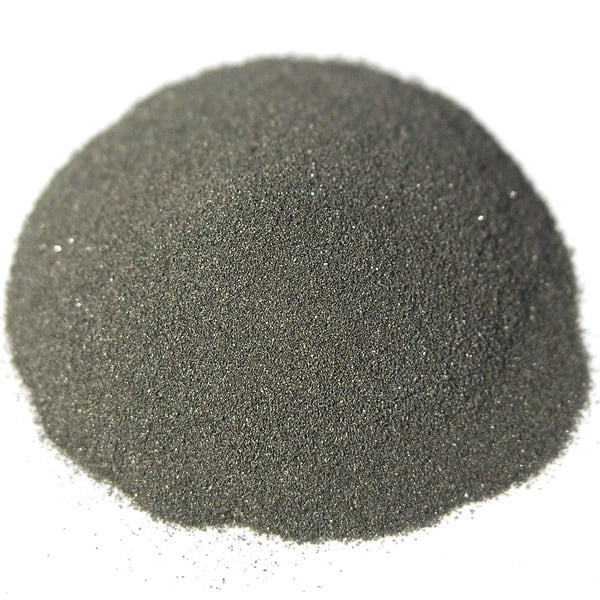
Titanium alloy powders contain titanium as the main element combined with other metals like aluminum, vanadium or iron. The alloy composition imparts enhanced properties for uses across aerospace, medical devices and more.
Types of Titanium Alloy Powders
Common titanium alloy formulations in powder form:
| Alloy | Ti Content | Other Elements | Key Properties |
|---|---|---|---|
| Ti-6Al-4V | 90% | 6% Al, 4% V | High strength, low density |
| Ti-6Al-7Nb | 90% | 6% Al, 7% Nb | Biocompatibility, corrosion resistance |
| Ti-10V-2Fe-3Al | 82% | 10% V, 2% Fe, 3% Al | Heat resistance, hardened |
| Ti-3Al-2.5V | 93% | 3% Al, 2.5% V | Elevated temperature strength |
- Titanium alloyed with aluminum, vanadium, iron and niobium balance hardness, strength and density
- Specific elements tune mechanical, physical and biological properties for target applications
- Mixtures optimize high temperature behavior, wear performance, weldability etc.
- Aluminum stabilizes titanium crystal structure for workability; vanadium enhances strength
So tailored combinations of metals in titanium alloys achieve application-specific functional properties.
Titanium Alloy Powder Production
Common techniques to produce titanium alloy powders:
| Method | Process | Description | Particle Properties |
|---|---|---|---|
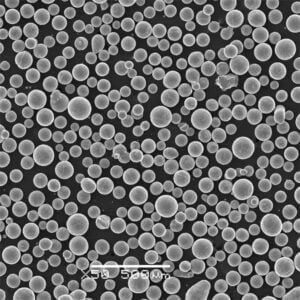
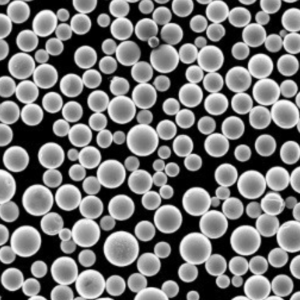
| Gas atomization | Molten stream impinges on gas jets | Rapid cooling forms spherical particles | Excellent flowability |
| Plasma atomization | Higher temperature plasma melts alloys | Very fine spherical powder production | Sub-micron sizes |
| Hydride-dehydride | Hydride phase comminution | Irregular brittle particles from hydrides | Moderate flow |
| Mechanical alloying | Powder particles deformation welded | Composite structure with fine grain size | Poor flow |
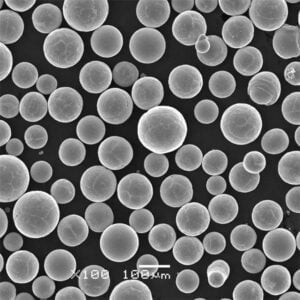
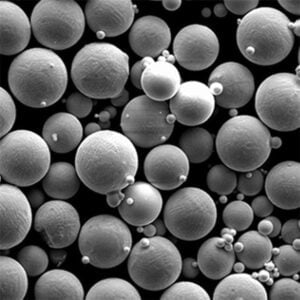
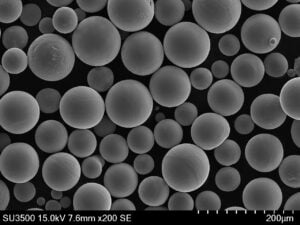
- Gas and plasma atomization generate fine spherical alloy powders suitable for additive manufacturing
- Hydride-dehydride method crushes brittle hydride phase into small particles
- Mechanical alloying welds smaller particles into composite aggregates through deformation
So various techniques allow tailored titanium alloy particle sizes, shapes and internal microstructures.
Applications of Titanium Alloy Powder
Titanium alloy powders enable high performance parts across sectors:
| Sector | Application | Properties Utilized |
|---|---|---|
| Aerospace | Turbine blades, airframe parts | High specific strength |
| Industrial | Food processing equipment | Corrosion resistance |
| Automotive | Connecting rods, valves | Heat resistance |
| Biomedical | Implants, prosthetics | Biocompatibility |
| Defense | Armor materials | Ballistics protection |
| Additive manufacturing | 3D printed parts | Printability |
- Lightweight strength allows fuel savings in aircraft and vehicles with titanium components
- Bio-neutral titanium alloy implants avoid rejecting by the human body
- Corrosion resistance suits aggressive chemicals in industrial plants
- Alloy tailoring creates customer titanium grades for each application
So tailored titanium alloy powders enable advanced manufacturing across diverse demanding industries.
Specifying Titanium Alloy Powder
Key titanium alloy powder quality metrics:
| Parameter | Typical Values | Testing Method |
|---|---|---|
| Alloy composition | Element percentage by weight | ICP spectroscopy |
| Particle size distribution | Range and average size | Laser diffraction |
| Apparent density | Up to 85% of true density | Scott volumeter |
| Tap density | Up to 95% of true density | Measured by tapping |
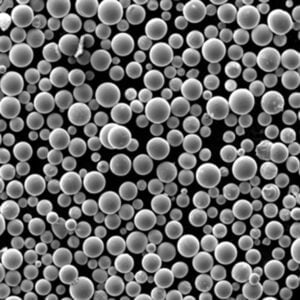
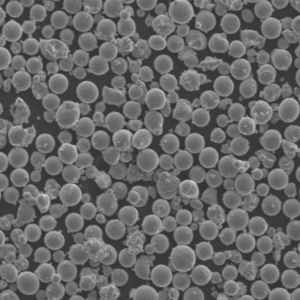
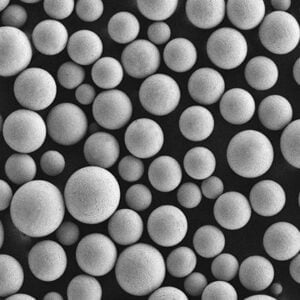
| Particle shape | Sphericity, smoothness | SEM imaging |
| Powder flow rate | Angle of repose, Hall flowmeter | Standard test funnels/containers |
- Composition checks confirm percentages of titanium, aluminum, vanadium etc.
- Particle size distribution ensures suitability for intended manufacturing process
- Density indicates packing efficiency and porosity
- Particle shape affects application performance and powder handling
- Flow rates qualify suitability for automated transport and metering
So these metrics help ensure the purchased titanium alloy powder meets application requirements.
Comparing Titanium Alloy Powder Types
How do some titanium alloys measure up?
| Alloy | Ti-6Al-4V | Ti-6Al-7Nb | Ti-10V-2Fe-3Al |
|---|---|---|---|
| Density | 4.43 g/cc | 4.52 g/cc | 4.38 g/cc |
| Tensile strength | 128 ksi | 126 ksi | 115 ksi |
| Young’s modulus | 16 msi | 10 msi | 15 msi |
| Maximum service temperature | 700°F | 750°F | 800°F |
| Biocompatibility | Moderate | Excellent | Poor |
| Cost | Low | High | Moderate |
- Ti-6Al-4V is the workhorse titanium alloy combining performance and cost
- Nb and Ta alloys offer superior biocompatibility for medical uses
- Higher vanadium and Fe enable stability at elevated temperatures
- Aluminum containing alloys have higher strength-to-weight ratio
So each titanium alloy formulation has specific advantageous properties for target applications.
Suppliers of Titanium Alloy Powder
Leading global producers of titanium alloy powders:
| Company | HQ Location | Grades Available | Production Capacity |
|---|---|---|---|
| ATI Powder Metals | US | Ti-6Al-4V, custom alloys | 5,000 metric tonnes/year |
| Tekna | Canada | Ti-6Al-4V and others | Not published |
| Hoganas Group | Sweden | Ti-6Al-4V | 3,000 metric tonnes/year |
| TLS Technik | Germany | TiAl, TiAlNb, Ti powders | Not published |
| CNPC POWDER | China | Ti-6Al-4V, TiAl | 10,000 metric tonnes/year |
- USA’s ATI Powder Metals is a leading producer of titanium alloy powders globally
- Sweden’s Hoganas Group also operates significant titanium powder manufacturing
- China hosts several large titanium alloy powder makers seeking global exports
- Smaller players also participate in the growing titanium powder industry
So supply capacity continues scaling up to meet expanding demand for titanium alloys.
Titanium Alloy Powder Pricing
Ballpark titanium alloy powder prices:
| Alloy | Pricing per kg | Particle Size Range |
|---|---|---|
| Ti-6Al-4V | $50 – $150 | 15 to 120 microns |
| Ti-6Al-7Nb | $250 – $500 | 5 to 45 microns |
| Ti-10V-2Fe-3Al | $75 – $200 | 15 to 63 microns |
| Ti-3Al-2.5V | $100 – $150 | 45 to 150 microns |
- Prices depend heavily on buy volumes and particle size distribution specifics
- Specialized alloys and fine medical grades fetch higher pricing
- Ti-6Al-4V is most economically produced at industrial scales
- Contracts over 5-10 tonnes receive discounted rates
So titanium alloy powder remains relatively expensive, limiting applications primarily to aerospace and defense sectors.
Titanium Alloy Powders FAQs
| Question | Answer |
|---|---|
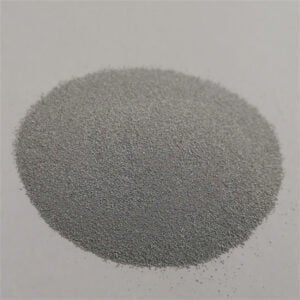
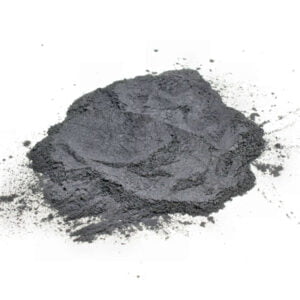
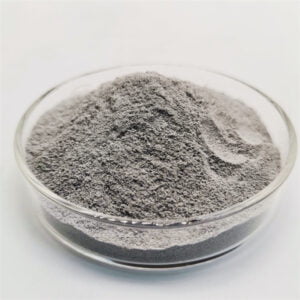
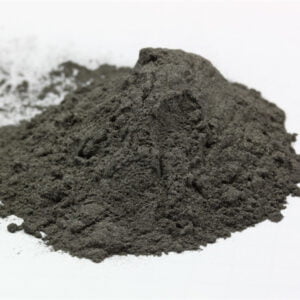
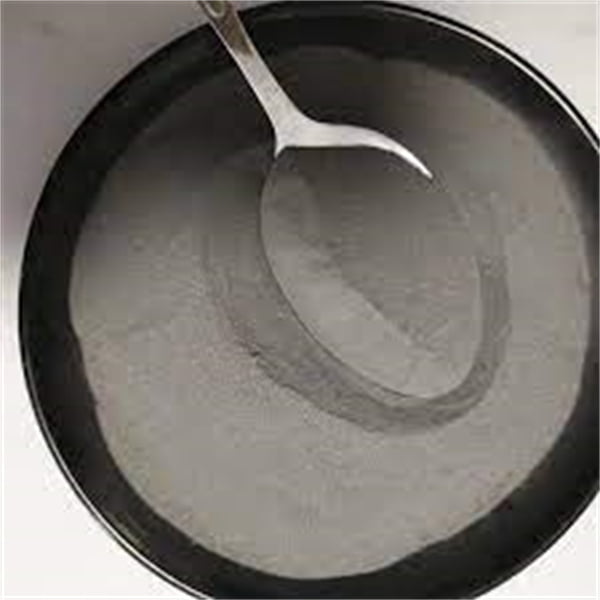
| What colors can titanium alloys be? | Natural gray is most common. Colorizing surface treatments also applied. |
| Do the powders require special handling? | Inert gas blanketing advisable to prevent oxidation while handling. |
| Is cold spraying possible with these powders? | Yes, particle deformation enables high adhesion coatings. |
| Are titanium alloys non-magnetic? | Yes, all grades have very low magnetic permeability. |
| Can these powders be safely shipped by air? | Yes, no transport restrictions except for very fine reactive powders. |
So titanium alloy powders lend themselves well to most metal powder handling, processing and coating operations.
Conclusion
In summary, titanium alloy powder provides the design flexibility to balance density, strength, modulus and biocompatibility for advanced engineering requirements across industries. Manufacturing techniques impart tailored particle characteristics. Alloy formulation allows custom property tuning. Despite relatively high prices over $50/kg, titanium alloy powder brings greater performance in defense, medical, aerospace and automotive applications where component performance overrides cost considerations.