Overview of 3D Printing Metal Materials
3D-печать, также известная как аддитивное производствопозволяет создавать сложные металлические детали непосредственно на основе данных 3D CAD. В отличие от традиционных субтрактивных методов, таких как обработка на станках с ЧПУ, 3D-печать создает детали послойно без использования специальной оснастки и приспособлений.
3D-печать по металлу открывает новые возможности для изготовления индивидуальных, легких и высокопроизводительных металлических деталей со сложной геометрией. Аэрокосмическая, автомобильная, медицинская и оборонная промышленность все активнее применяют 3D-печать металлов для конечного производства.
Однако не все металлы легко поддаются 3D-печати. Наиболее распространенными металлическими материалами являются алюминий, титан, никель, нержавеющая сталь и кобальто-хромовые сплавы. Выбор материала зависит от конкретных требований к применению - прочности, коррозионной стойкости, высокотемпературных характеристик, биосовместимости и т.д.
Данное руководство содержит подробный обзор различных металлов и сплавов, используемых в 3D-печати. Мы рассмотрим состав, свойства, области применения, а также плюсы и минусы популярных металлических материалов, чтобы помочь вам выбрать материал, соответствующий вашим потребностям.
Основные выводы по материалам для металлической 3D-печати:
- Алюминиевые сплавы обеспечивают хорошее соотношение прочности и веса и коррозионную стойкость при более низкой стоимости.
- Титановые сплавы обеспечивают отличную прочность при низкой плотности и биосовместимости для применения в медицине.
- Нержавеющие стали обладают высокой прочностью и коррозионной стойкостью для изготовления оснастки и функциональных деталей.
- Никелевые суперсплавы способны выдерживать высокие температуры, что позволяет использовать их в аэрокосмической промышленности.
- Кобальтохромовые сплавы обеспечивают твердость, износостойкость и биосовместимость для стоматологических и медицинских имплантатов.
- Выбор материала зависит от механических требований, необходимости последующей обработки, стоимости и пригодности метода 3D-печати.
- Ориентация деталей, опорные конструкции, толщина слоя и параметры сборки должны быть оптимизированы для каждого металлического материала.
- Последующая обработка, например горячее изостатическое прессование, может улучшить конечные свойства детали.
Состав металлических материалов для 3D-печати
| Категория Металл | Распространенные сплавы | Состав | Свойства | Приложения |
|---|---|---|---|---|
| Steel | 17-4 PH Stainless Steel, 316L Stainless Steel, AISI 4130 Steel | Primarily iron (Fe) with varying amounts of chromium (Cr), nickel (Ni), molybdenum (Mo), carbon (C), and manganese (Mn). | Excellent strength, corrosion resistance, and versatility. Can be heat treated for specific properties. | Aerospace components, medical implants, automotive parts, tools and dies |
| Алюминий | AlSi10Mg, AlSi7Mg0.3, Scalmalloy | Primarily aluminum (Al) with additions of silicon (Si), magnesium (Mg), and sometimes copper (Cu) or scandium (Sc). | Lightweight, good strength-to-weight ratio, and high thermal conductivity. Can be post-processed for added strength. | Aircraft parts, heat sinks, automotive components, prosthetics and orthotics |
| Титан | Ti-6Al-4V, CP Titanium | Primarily titanium (Ti) with aluminum (Al) and vanadium (V) as main alloying elements. | High strength-to-weight ratio, excellent corrosion resistance, and biocompatibility. | Aerospace components, medical implants, sporting goods, chemical processing equipment |
| Никелевые суперсплавы | Инконель 625, Инконель 718 | Primarily nickel (Ni) with additions of chromium (Cr), iron (Fe), cobalt (Co), molybdenum (Mo), and niobium (Nb). | Исключительная высокотемпературная прочность, стойкость к окислению и ползучести. | Gas turbine engine components, heat exchangers, rocket engine parts |
| Кобальт-хром | CoCrMo, Haynes 214 | Primarily cobalt (Co) and chromium (Cr) with molybdenum (Mo) and other elements for specific properties. | High strength, wear resistance, biocompatibility, and good corrosion resistance. | Medical implants, dental prosthetics, cutting tools, wear-resistant components |
| Тугоплавкие металлы | Tungsten (W), Tantalum (Ta) | Pure metals with very high melting points. | Exceptional high-temperature strength and heat resistance. Not widely used due to high cost and difficulty in processing. | Furnace components, crucibles, rocket engine nozzles, heat shields |
| Драгоценные металлы | Gold (Au), Silver (Ag) | Pure metals or alloys with other precious metals. | High electrical conductivity, reflectivity, and biocompatibility (for specific alloys). Limited use due to high cost. | Electrical connectors, medical devices (limited applications), decorative components |
Механические свойства металлических материалов
| Недвижимость | Описание | Единицы | Importance in Engineering Applications | Examples of Materials with High Values |
|---|---|---|---|---|
| Прочность | The ability of a metal to resist deformation or fracture under an applied load. There are different types of strength, such as tensile strength (resistance to pulling forces), compressive strength (resistance to pushing forces), and shear strength (resistance to forces that tend to cause the material to slide). | MPa (Megapascals), ksi (thousand pounds per square inch) | Strength is a fundamental consideration for any load-bearing component. The specific type of strength required depends on the anticipated loading conditions. | • High-strength steel: Used in bridges, buildings, and vehicles due to its excellent tensile strength. |
| Жесткость | A measure of a metal’s resistance to elastic deformation under load. Stiff materials exhibit minimal deflection under stress. Stiffness is quantified by Young’s Modulus, which relates stress (applied force) to strain (resulting deformation). | GPa (Gigapascals), psi (pounds per square inch) | Stiffness is crucial for applications requiring dimensional stability, such as machine tool frames and precision instruments. | • Aluminum: Offers a good balance between stiffness and weight, making it ideal for aircraft construction. |
| Elasticity | The ability of a metal to deform under load and then return to its original shape once the load is removed. Elastic behavior is desirable in many applications, as it ensures components can recover from temporary stresses without permanent damage. | – | Elasticity is essential for components that experience repeated loading and unloading, such as springs and shock absorbers. | • Spring steel: Possesses excellent elastic properties, allowing it to store and release energy efficiently. |
| Plasticity | The ability of a metal to undergo permanent deformation under load without fracture. Plastic deformation is useful for shaping metals into desired forms through processes like forging or extrusion. | % elongation | Plasticity is advantageous for manufacturing applications where metals need to be bent, drawn, or pressed into specific shapes. | • Copper: Highly ductile and malleable, making it suitable for electrical wiring and plumbing due to its ease of shaping. |
| Пластичность | The ability of a metal to be drawn into thin wires without breaking. Ductility is a measure of a metal’s capacity for plastic deformation in tension. | % elongation | Ductile metals are valuable for applications requiring wires, cables, or other elongated forms. | • Gold: Exceptionally ductile, allowing it to be hammered into thin sheets for jewelry and decorative purposes. |
| Malleability | The ability of a metal to be flattened into thin sheets without breaking. Malleability reflects a metal’s capacity for plastic deformation in compression. | % reduction in area | Malleable metals are well-suited for applications requiring flat sheets or panels. | • Aluminum: Highly malleable, making it a popular choice for food packaging and building materials. |
| Жесткость | The ability of a metal to absorb energy before fracturing. Tough materials can withstand significant impact or force without breaking. | J/m (Joules per meter) | Toughness is critical for components subjected to impact or dynamic loading, such as hammers and vehicle parts. | • Steel alloys: Can be formulated to achieve high toughness for applications demanding strength and impact resistance. |
| Resilience | The ability of a metal to absorb energy elastically and then release it upon unloading. Resilient materials can recover stored elastic energy after deformation. | J/m (Joules per meter) | Resilience is beneficial for components that experience repeated bending or flexing, such as springs and beams. | • High-carbon steel: Exhibits good resilience due to its balanced combination of strength and elasticity. |
| Creep | The tendency of a metal to deform plastically under a constant load over time, particularly at elevated temperatures. Creep is a concern for applications involving long-term exposure to high stresses and temperatures. | % strain per unit time | Creep resistance is crucial for components operating under sustained loads at high temperatures, such as turbine blades and boiler tubes. | • Nickel-based superalloys: Engineered to resist creep at extreme temperatures, making them ideal for jet engine components. |
| Твердость | The resistance of a metal to localized plastic deformation from an indentation or scratching force. Hardness is often correlated with wear resistance. | Brinell hardness (HB), Vickers hardness (HV) | Hardness is essential for components that experience wear and tear, such as cutting tools and bearings. | • Tungsten carbide: Exceptionally hard, making it a valuable material for drill bits and wear plates. |
Области применения 3D-печати металлов
| Приложение | Описание | Преимущества | Промышленность |
|---|---|---|---|
| Functional Prototypes | Metal 3D printing allows engineers to create fully functional prototypes of parts much faster and more cost-effectively than traditional methods like CNC machining. These prototypes can be rigorously tested to validate design concepts before committing to mass production. | * Reduced Time to Market: Parts can be iterated on quickly, accelerating the development process. * Increased Design Freedom: Complex geometries and internal features can be easily incorporated. * Material Accuracy: Prototypes can be made from the same metal intended for final production. | * Aerospace: Engine components, air ducts, landing gear parts. * Automotive: Engine blocks, transmission components, lightweight body panels. * Medical Devices: Surgical instruments, prosthetics, custom implants. |
| Low-Volume & Specialty Parts | Metal 3D printing excels at producing small batches or one-off parts that would be expensive or impractical to manufacture with traditional techniques. This opens doors for customization, on-demand manufacturing, and niche applications. | * Reduced Minimum Order Quantities: Eliminates the need for expensive tooling setups typically required for low-volume production. * Design for Customization: Parts can be easily personalized for specific needs or applications. * Complexities Made Simple: intr intricate geometries and internal features can be readily produced. | * Motorsports: Custom gears, brackets, and lightweight components. * Oil & Gas: Replacement parts for downhole equipment, bespoke valves and fittings. * Defense: Weaponry components, customized armor plating, specialty tools. |
| Surgical & Dental Implants | Metal 3D printing is transforming medical care by enabling the creation of personalized implants with complex lattice structures that promote bone ingrowth and osseointegration. This leads to improved patient outcomes and faster recovery times. | * Personalized Implants: Custom-designed implants that perfectly match a patient’s anatomy can be created. * Improved Biocompatibility: Porous structures created through 3D printing encourage bone growth and tissue attachment. * Reduced Risk of Rejection: 3D printing allows for the use of biocompatible materials like titanium and tantalum. | * Orthopedics: Hip and knee replacements, custom spinal implants, trauma repair plates. * Dentistry: Dental crowns and bridges, complex jaw implants, customized surgical guides. |
| Complex Brackets & Heat Exchangers | Metal 3D printing allows for the creation of intricate brackets and heat exchangers with internal channels and lightweight lattice structures that would be impossible or prohibitively expensive to manufacture using traditional methods. | * Design Optimization: Lightweight and strong brackets can be designed to minimize weight and improve performance. * Enhanced Heat Transfer: Complex internal channels can be incorporated into heat exchangers for superior thermal management. * Freedom of Design: 3D printing allows for the creation of geometries that push the boundaries of conventional manufacturing. | * Aerospace: Lightweight brackets for aircraft structures, complex heat exchangers for engine cooling. * Automotive: High-performance heat exchangers for racing engines, intricate brackets for suspension systems. * Consumer Electronics: Thermal management solutions for laptops, heat sinks for high-power electronics. |
| End-of-Arm Tooling (EOAT) | Metal 3D printing enables the creation of customized EOAT for robots that perfectly match the specific requirements of a task. This leads to increased efficiency, flexibility, and improved production processes. | * Conformal Grippers: Grippers can be 3D printed to precisely match the shape of the object being handled. * Lightweight Design: Metal 3D printing allows for the creation of lightweight grippers that improve robot speed and dexterity. * Reduced Lead Times: Custom EOAT can be designed and printed quickly, minimizing downtime during production setup. | * Automotive Manufacturing: Grippers for handling car parts during assembly. * Electronics Assembly: Precision tools for delicate component placement. * Food & Beverage: Custom grippers for handling fragile food items. |
Плюсы и минусы основных металлических материалов
Ниже приводится сравнение преимуществ и ограничений популярных металлических сплавов, используемых в 3D-печати:
| Материал | Плюсы | Cons |
|---|---|---|
| Алюминий 6061 | Низкая стоимость, хорошая коррозионная стойкость | Низкая прочность |
| Алюминий 7075 | Высокое соотношение прочности и массы | Сложность сварки |
| Титан Ti-6Al-4V | Высокая прочность, низкая плотность | Дорогой материал |
| Нержавеющая сталь 316L | Отличная коррозионная стойкость | Более низкая прочность по сравнению со сплавами |
| Инконель 718 | Выдерживает экстремальные температуры | Сложность обработки |
| Кобальтовый хром | Отличная износостойкость и биосовместимость | Ограниченная пластичность |
Поставщики материалов для 3D-печати из металла
Многие компании поставляют металлические порошки и проволоку специально для процессов 3D-печати:
| Материал | Основные поставщики |
|---|---|
| Алюминиевые сплавы | AP&C, Sandvik, HC Starck |
| Титановые сплавы | AP&C, TLS Technik, Tekna |
| Нержавеющие стали | Sandvik, Carpenter Additive |
| Никелевые суперсплавы | AP&C, Sandvik, Praxair |
| Кобальтохромовые сплавы | AP&C, Sandvik, SLM Solutions |
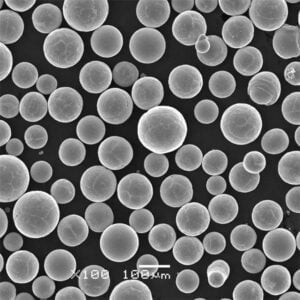
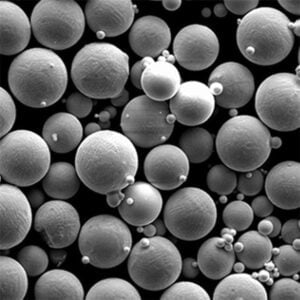
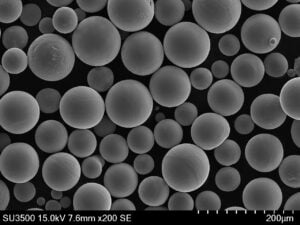
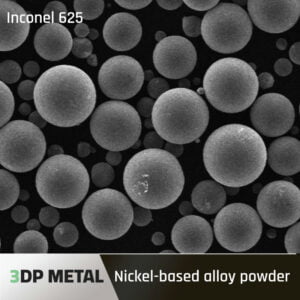
Такие факторы, как качество порошка, его консистенция, форма и распределение частиц по размерам, влияют на свойства конечной детали и стабильность процесса печати. Известные поставщики предлагают хорошо зарекомендовавшие себя сплавы, специально разработанные для АМ.
Анализ затрат на материалы для 3D-печати металлов
Затраты на материалы составляют значительную часть стоимости конечной детали при 3D-печати металлов. Ниже приведены примерные ценовые диапазоны:
| Материал | Стоимость за кг | Стоимость за см3 |
|---|---|---|
| Алюминиевые сплавы | $50-$150 | $0.15-$0.45 |
| Титановые сплавы | $350-$1000 | $1.00-$3.00 |
| Нержавеющие стали | $90-$250 | $0.25-$0.75 |
| Инконель 718 | $350-$600 | $2.50-$4.50 |
| Кобальтовый хром | $500-$1200 | $3.50-$8.50 |
- Наиболее дорогими являются титановые и кобальтохромовые сплавы, в то время как цены на алюминий умеренны.
- Стоимость материалов зависит от объема сборки - более крупные детали из дорогих сплавов требуют большего бюджета на материалы.
- Оптимизация, направленная на сокращение отходов вспомогательного производства и последующей обработки, может способствовать снижению эффективных материальных затрат.
Стандарты на металлические порошки
Для обеспечения повторяемости отпечатков высокого качества металлические порошки, используемые в 3D-печати, должны соответствовать определенным минимальным стандартам:
| Недвижимость | Основные стандарты |
|---|---|
| Распределение частиц по размерам | ASTM B822, ISO 4490 |
| Текучесть | ASTM B213, ISO 4490 |
| Кажущаяся плотность | ASTM B212, ISO 3923 |
| Плотность отвода | ASTM B527, ISO 3953 |
| Химический состав | ASTM E1479, анализ ОЭС |
- Качество порошка влияет на такие свойства конечной детали, как плотность, качество поверхности и механические свойства.
- Сферические порошки с контролируемым гранулометрическим составом обладают отличной текучестью.
- Постоянство химического состава и плотности обеспечивает стабильность и воспроизводимость процесса.
Методы 3D-печати для металлов
Различные технологии 3D-печати могут обрабатывать металлы и сплавы:
| Метод | Материалы | Основные преимущества | Ограничения |
|---|---|---|---|
| Порошковая кровать Fusion | Большинство сплавов | Отличная точность и качество обработки поверхности | Медленные темпы строительства |
| Направленное энергетическое осаждение | Большинство сплавов | Наращивание характеристик на существующих деталях | Более низкое разрешение |
| Струйная обработка вяжущего | Нержавеющая сталь | Высокая скорость печати | Низкая прочность |
| Экструзия металла | Ограниченные сплавы | Низкая стоимость оборудования | Низкая плотность |
- Технологии с порошковым слоем, такие как DMLS, обеспечивают высочайшее разрешение и точность.
- Струйная обработка связующим позволяет работать с более широким диапазоном сплавов, но имеет более низкую конечную прочность детали.
- Направленное осаждение энергии позволяет печатать крупные детали почти сетчатой формы.
Требования к постобработке
Печатные металлические детали, как правило, требуют последующей обработки для достижения требуемых свойств:
| Постобработка | Назначение | Используемые материалы |
|---|---|---|
| Удаление опоры | Демонтаж опорных конструкций | Сплавы с тонкими, хрупкими опорами |
| Снятие стресса | Снижение остаточных напряжений | Все сплавы |
| Горячее изостатическое прессование | Повышение плотности, улучшение свойств | Все сплавы |
| Обработка поверхности | Улучшение шероховатости поверхности | Все сплавы |
| Термическая обработка | Модификация микроструктуры | Возрастно-твердеющие сплавы, такие как алюминий |
| Обработка | Точные размеры и качество обработки поверхности | Большинство сплавов |
- Для всех сплавов рекомендуется термическая обработка с целью снятия напряжений для предотвращения деформации.
- HIP-обработка позволяет значительно улучшить конечные свойства материала.
- Обработка с ЧПУ обеспечивает точность размеров и чистоту поверхности.
Как выбрать металлический материал для 3D-печати
| Фактор | Описание | Соображения | Примеры |
|---|---|---|---|
| Требования к оформлению заявки | The primary function of the 3D printed part will heavily influence material selection. Consider factors like: * Прочность и долговечность: How much stress will the part experience? * Вес: Is lightweight construction essential? * Термостойкость: Will the part be exposed to high temperatures? * Коррозионная стойкость: Will the part encounter harsh environments? | * Prioritize high-strength options like Titanium alloys or Maraging Steel for load-bearing components. * For lightweight applications, Aluminum or Nickel alloys offer excellent strength-to-weight ratios. * Inconel and Nickel alloys excel in high-temperature environments like jet engines. * Parts exposed to saltwater or chemicals may benefit from the superior corrosion resistance of Stainless Steel. | * Аэрокосмическая промышленность: High-strength Titanium alloys for landing gear or engine components. * Автомобили: Aluminum alloys for lightweight body panels or pistons. * Медицинские приборы: Biocompatible Titanium for implants or surgical instruments. * Marine Applications: Corrosion-resistant Stainless Steel for boat propellers or saltwater pumps. |
| 3D Printing Process | Different metal 3D printing technologies have varying capabilities and material compatibility. Consider: * Совместимость с машинами: Ensure the chosen material is compatible with your specific 3D printer’s technology (e.g., Laser Beam Melting, Binder Jetting). * Доступность материала: Not all materials are readily available for every 3D printing process. * Surface Finish & Post-Processing: Some materials may require additional finishing steps to achieve desired surface quality. | * Laser Beam Melting (LBM) offers a wide range of compatible materials, including high-performance alloys like Titanium and Inconel. * Binder Jetting is well-suited for materials like Stainless Steel and some tool steels. * Electron Beam Melting (EBM) is ideal for highly reactive materials like Titanium but may require more extensive post-processing for surface finishing. | * LBM: Widely used for its versatility, compatible with materials like Titanium alloys, Stainless Steel, and Inconel. * Струйная обработка связующего: Well-suited for cost-effective printing of Stainless Steel parts for less demanding applications. * EBM: Ideal for complex Titanium components in aerospace or medical applications, but post-processing can add time and cost. |
| Свойства материала | Beyond the basic properties like strength and weight, consider these additional characteristics: * Ductility (Formability): How easily can the material be bent or shaped without breaking? * Теплопроводность: How well does the material conduct heat? * Биосовместимость: Is the material safe for implantation in the human body? * Электропроводность: Does the part require electrical conductivity for its function? | * Пластичность: Ductile materials like certain Nickel alloys may be preferable for parts requiring some degree of bending or forming. * Теплопроводность: High thermal conductivity materials like Aluminum are ideal for heat exchangers or heat sinks. * Биосовместимость: For medical implants, biocompatible materials like Titanium or Tantalum are essential. * Электропроводность: Copper or Copper alloys would be suitable choices for parts requiring electrical conduction. | * Пластичность: Nickel alloys like Inconel 625 offer good ductility for parts requiring some formability. * Теплопроводность: Aluminum alloys are excellent choices for heat exchangers due to their high thermal conductivity. * Биосовместимость: Titanium and Tantalum are biocompatible choices for implants due to their minimal tissue irritation. * Электропроводность: Copper is the best conductor of electricity readily available for 3D printing. |
| Соображения по поводу стоимости | Material cost, along with potential post-processing needs, can significantly impact the overall project budget. * Material Price: Some exotic alloys like Inconel or precious metals like Gold can be very expensive. * Качество порошка: Higher quality metal powders may have a higher cost but can lead to better printability and part quality. * Постобработка: Certain materials may require additional steps like heat treatment or machining, adding to the cost. | * Prioritize cost-effective materials like Stainless Steel or Aluminum for non-critical applications. * When high performance is essential, consider the long-term benefits of a more expensive material like Titanium. * Evaluate the cost of post-processing needs and factor that into the overall material selection process. | * Экономичность: Stainless Steel or Aluminum often offer good value for less demanding applications. * High-Performance: Titanium alloys provide excellent strength-to-weight ratio but come at a premium cost. * Balance Needed: Consider the trade-off between material cost, performance requirements, and necessary post-processing. |
Вопросы и ответы
Вопрос: Какой металлический сплав обладает наибольшей прочностью для 3D-печати?
Ответ: Суперсплавы инконеля, например инконель 718, обладают наибольшей прочностью на растяжение, но менее пластичны. Титан Ti-6Al-4V имеет самое высокое отношение прочности к массе.
Вопрос: Являются ли детали, напечатанные 3D-печатью из нержавеющей стали, устойчивыми к коррозии?
О: Да, 316L и другие сплавы нержавеющей стали сохраняют свою превосходную коррозионную стойкость после 3D-печати.
Вопрос: Какой титановый сплав наиболее часто используется в 3D-печати?
О: Ti-6Al-4V - самый популярный титановый сплав, составляющий 90% от всего объема титановой 3D-печати. Он обладает наилучшими универсальными свойствами.
Вопрос: Какой алюминиевый сплав лучше всего подходит для 3D-печати?
О: Наиболее широко применяются 6061 и 7075, причем 6061 обеспечивает хорошую коррозионную стойкость при меньшей стоимости, а 7075 выбирается для высокопрочных конструкций.
Вопрос: Обязательны ли этапы постобработки для металлических 3D-печатных деталей?
О: Для достижения оптимальных свойств и эксплуатационных характеристик материала настоятельно рекомендуется проводить последующую обработку, такую как удаление наростов, снятие напряжений и финишная обработка поверхности.
Вопрос: Какой процесс 3D-печати работает с наиболее широким спектром металлических сплавов?
Ответ: Струйное нанесение связующего и осаждение с направленной энергией могут работать с большинством сплавов, однако сплавление в порошковом слое позволяет получать детали с более высоким разрешением.
Вопрос: Как соотносится точность деталей при механической обработке и 3D-печати металлов?
Ответ: Детали, обработанные на станках с ЧПУ, обеспечивают более жесткие допуски и лучшую чистоту поверхности, чем 3D-печать металлов. Однако 3D-печать позволяет создавать более сложные геометрические формы.
Вопрос: Какой процесс металлической 3D-печати имеет самую высокую скорость сборки?
О: Струйное нанесение связующего позволяет достичь самых высоких скоростей печати, создавая детали в 10 раз быстрее, чем при сплавлении в порошковом слое.