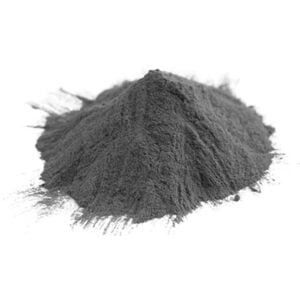
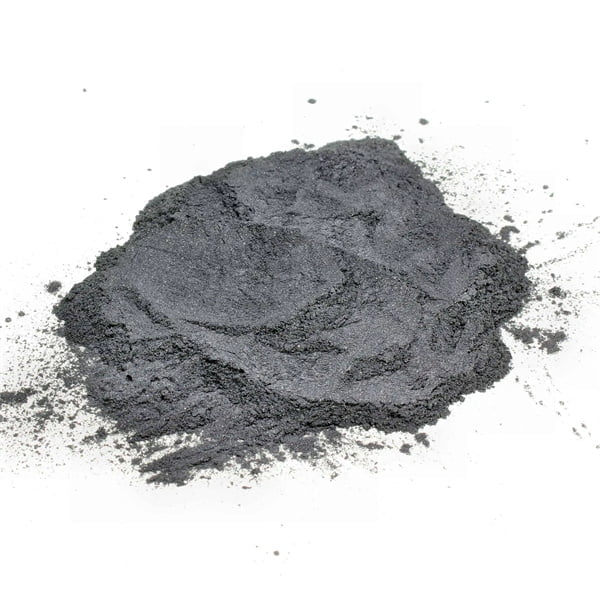
mim metal powder is a versatile manufacturing process to produce small, complex shaped metal parts in high volumes using metal powders and plastic binders. This guide offers a detailed overview of MIM powders covering their composition, key properties, applications in various industries, common grades and specifications, major global suppliers with pricing indicators.
Overview of MIM Metal Powder
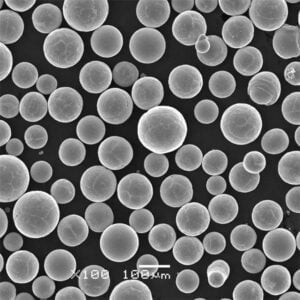
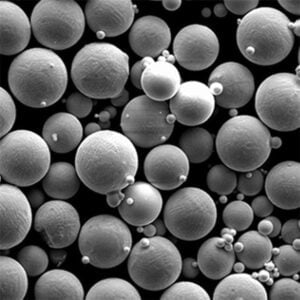
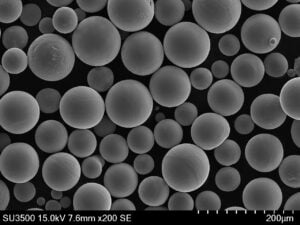
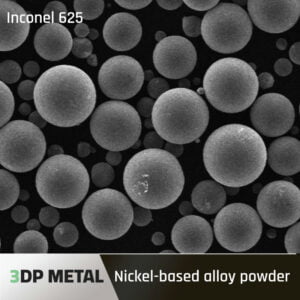
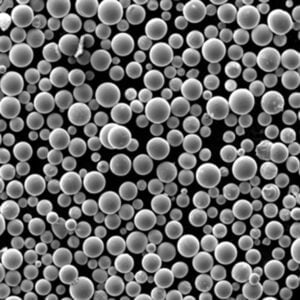
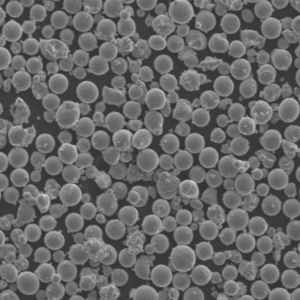
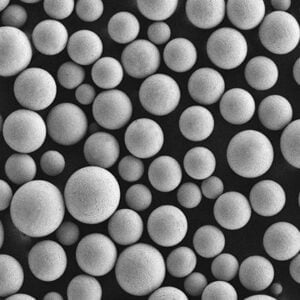
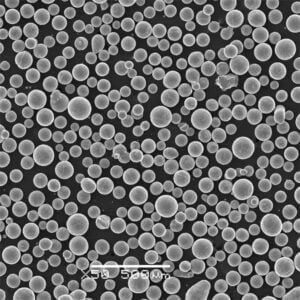
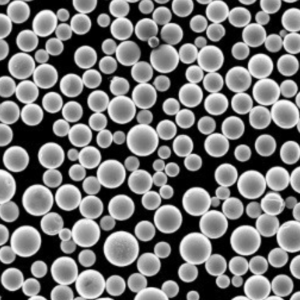
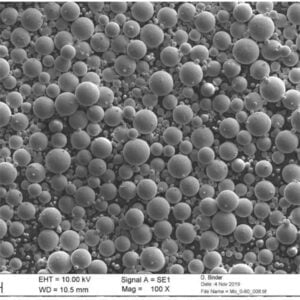
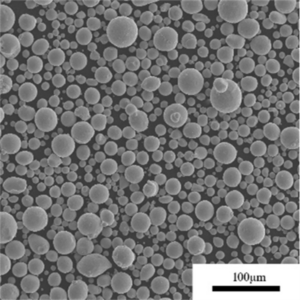
MIM powders are spherical shaped metal powders specially engineered for the metal injection molding process. They exhibit excellent flow and packing characteristics within the injection mold to achieve high green strength prior to binder removal and final part sintering.
Key Properties Required for Metal Powders Used in MIM Technology:
- Controlled particle size and size distribution
- High purity with lower oxygen and nitrogen levels
- Good powder flow and high packing density
- Blendability and compatibility with binder systems
- Sphericity, low porosity, few satellites and smooth surface morphology
These stringent properties result in high quality end metal parts combining intricacy of plastic parts and high performance of machined metal components.
The most common MIM alloys include stainless steel, low alloy and tool steel, magnetic alloys, tungsten heavy alloys, and titanium + titanium alloys.
Composition of Key MIM Metal Powders
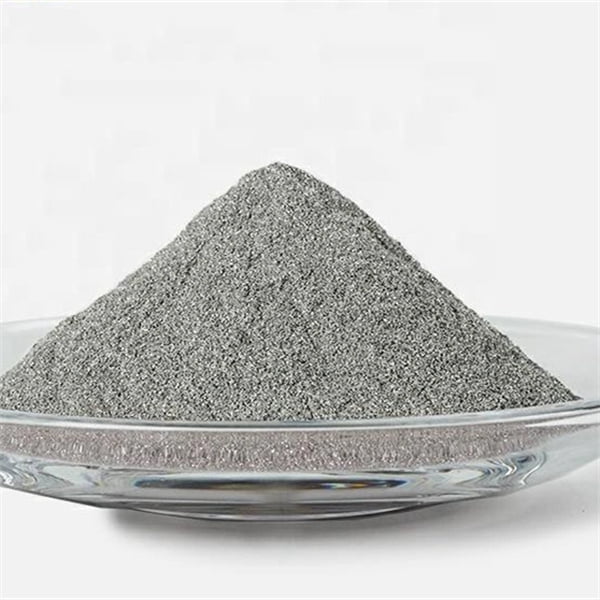
MIM is suited for a range of materials including stainless steels, alloys steels, magnetic alloys, titanium, tungsten etc. tailored for specific applications by optimizing the composition.
Typical Compositions of MIM Metal Powders
| Alloy Type | Key Alloying Elements |
|---|---|
| Stainless Steel | Fe + 17-20% Cr + 8-12% Ni + minor additions of Mo, Mn, Si |
| Low Alloy Steel | Fe + Cr + Mo + Mn + Ni + C |
| Tool Steel | Fe + Cr + W + Mo + V + C |
| Soft Magnetic | Fe + Ni + Mo , Fe + Cr + Si + Nb + Cu + Ti , Fe + Cr + Co + Mo + Al |
| Cobalt Chrome | Co + Cr + Mo + lesser elements |
| Tungsten Heavy Alloy | W + Ni + Fe , W + Ni + Cu |
| Titanium Grade 1-4 | Ti + traces of C, Fe, O, N and H |
Powder producers customize the ratio of key alloying elements in conjunction with particle size distribution and binder selection to meet the performance requirements of MIM products across this diverse range of materials from stainless steel to titanium and tungsten alloys.
Key Characteristics and Applications of MIM Powders
Characteristics and Typical Applications across MIM Alloy Categories:
| Alloy Type | Characteristics | Applications |
|---|---|---|
| Stainless Steel | High strength, wear + corrosion resistance, bio-compatibility | Medical devices, cutlery, hand tools, valves, plumbing fixtures |
| Low Alloy Steel | Heat treatable, ultra-high strength, wear resistance | Automotive, firearms, gears, tooling inserts |
| Tool Steel | Very high hardness + wear resistance, heat treat response | Punches, dies, industrial knives, surgical tools |
| Soft Magnetic | High magnetic permeability, low core losses | Magnetic sensors, electric motor parts, relays, magnetic shielding |
| Cobalt Chrome | Biocompatible, wear + corrosion resistance, high rigidity | Orthopedic + dental implants, prosthetics |
| Tungsten Heavy Alloy | Very high density, vibration damping | Counterweights, radiation shielding, rotor balancing |
| Titanium Alloys | Low density, corrosion resistance, bio-compatible | Aerospace, medical implants, sporting goods |
MIM expands the design freedom and scope of application for all these advanced metal alloys into small sized components with lower net-shape manufacturing costs compared to alternatives like precision machining.
Metal Injection Molding Process Parameters
To gain optimal performance from MIM technology, the feedstock parameters must be optimized along with process conditions:
Key Metal Injection Molding Process Stages and Variables
| Stage | Process Conditions |
|---|---|
| Feedstock Preparation | Powder characteristics, binder formulation, mixing process, pelletizing conditions |
| Injection Molding | Mold temperature, pressure profiles, injection speed, cooling rate |
| Debinding | Solvent, thermal profiles, catalysis conditions |
| Sintering | Atmosphere, temperature, dwell times |
Powder characteristics like particle size distribution, morphology and purity dominate mechanical performance while binders provide necessary viscosity and ease of removal.
Interactions between metal particles, polymers, solvents, thermal gradients impact final properties. Once recipe is fixed, automation ensures consistency.
Role of Powder Attributes in Optimizing MIM Performance
| Powder Parameter | Impact on MIM Process and Products |
|---|---|
| Particle size distribution | Green part strength and sintered density |
| Powder morphology | Metal-binder mixing, powder packing and flow |
| Surface oxide levels | Defects like residual carbon effecting purity |
| Satellite particles | Mold wear affecting tool life and surface finish |
Therefore powder makers engineer aspects like size range, shape ratios, cleanliness etc. based on end part functionality.
Specifications and Control Standards for MIM Powders
To ensure feedstock suitability for metal injection molding process, various national and international specifications have standards covering composition limits, particle size distribution, impurity thresholds, packaging etc.
Key Standards Imposing Controls Over Powder Quality and Consistency:
| Standard | Purpose |
|---|---|
| ISO 13330 | Determines particle size distribution from fine to coarse fractions |
| ASTM B215 | Covers standard guide for sampling metal powders |
| MPIF 04 | Test methods for shot density, flow rate and compressibility |
| ASTM E345 | Defines methods for chemical analysis of powder composition |
| ASTM B809 | Deals with recommended packaging and transport of metal powders |
Certified MIM ready powders backed by statistical quality control ensure reliable and repetitive performance reducing qualification time. Rigorous record keeping supports defect analysis.
Particle Size Distribution Requirements for MIM Powders
The particle size range distribution tailored just for MIM process results in consistent packing density over millions of injection cycles. This minimizes mold wear, avoids green part defects and optimizes sintered mechanical integrity.
Typical Particle Size Distribution Specifications of MIM-Optimized Powders
| Particle Size (μm) | 316L Stainless Steel | 17-4PH Stainless | H13 Tool Steel |
|---|---|---|---|
| Less than 5 μm | ≤ 7% | ≤ 6% | ≤ 3% |
| 5 μm to 15 μm | 10-35% | 15-38% | 35-40% |
| 15 μm to 45 μm | Balance | Balance | Balance |
| Larger than 45 μm | ≤ 7% | ≤ 10% | ≤ 5% |
The median size range ensures smooth binder coating, packing and blend homogeneity needed for high sintered density. Minimum fines reduce mold wear while restricted oversize avoids segregation issues.
Global Suppliers of MIM-Grade Metal Powders
As MIM industry growth accelerates driven by demand across automotive, medical, consumer electronics, some of the major global suppliers of tailored MIM powders are:
Leading Manufacturers and Providers of Customized MIM Metal Powders
| Company | HQ Location |
|---|---|
| Sandvik Osprey | Neath, United Kingdom |
| Höganäs | Sweden |
| AMETEK | United States |
| BASF | Germany |
| Rio Tinto Metal Powders | Sorel-Tracy, Canada |
| Jilin Ferroalloys | China |
| Japan New Metal | Japan |
| Makin Metal Powders | UK |
These established metal powder producers have necessary expertise and controls around deoxidation, inert gas atomization, sieving, blending, and spherical annealing essential for MIM-compatible feedstocks.
Besides these large players, many smaller regional businesses offer niche light alloys, tool steels etc. but global supply logistics are restricted.
Global Production Capacity and Demand for MIM Powders
Rapidly rising utilization of MIM for small precision components across diverse applications is increasing production capacity.
Global Metal Powder Injection Molding Market Size Estimates:
- Current Market Size as of 2022: ~120,000 metric tons
- Projected Market Size by 2027: Over 160,000 metric tons
- CAGR for Powder Demand between 2022-2027: ~6%
MIM penetrates new territories driven by demand growth for MIM components using all types of metals – precious gold, silver, platinum to copper, aluminum, magnesium and their alloys besides the common stainless steels, tool steels, tungsten heavy alloys etc.
Pricing Trends and Cost Models for MIM Metal Powders
Prices of MIM powders depend on composition, quality conformance levels, production technology used by powder maker and purchase volumes.
Typical Price Ranges for MIM-Optimized Powders:
| Material | Price per kg (USD/kg) |
|---|---|
| Stainless Steel | 5 – 15 |
| Tool Steel | 15 – 30 |
| Cobalt Chrome | 50 – 80 |
| Titanium Ti64 | 100 – 200 |
| Inconel | 150 – 300 |
Generally tool steels, titanium grades and superalloys command higher prices due to intrinsic raw material costs and the advanced powder making techniques like inert gas atomization.
High purity medical/aerospace certified powders with lot traceability require premium ~30% over industrial quality. Large OEM buyers enjoy up to 20% reductions from mean prices.
Cost Saving Opportunities in MIM Powder Life Cycle:
| Stage | Saving Opportunity |
|---|---|
| Qualification | Faster approval using established MIM ready powders |
| Procurement | Contract bulk pricing from leading producers |
| Inventory | Just-in-time delivery avoids stockpiling |
| Operations | Reuse recovered powder after testing composition and particle size distribution |
Process improvements further reduce MIM part cost making high complexity designs economical.
Comparative Analysis of MIM with Competing Metal Manufacturing Choices
MIM process competes against precision machining methods for small complex metal parts production.
MIM versus Alternate Fabrication Technologies – Comparative Analysis
| Parameters | Metal Injection Molding (MIM) | Precision CNC Machining | Investment Casting |
|---|---|---|---|
| Set-up Costs | High for mold | Lower as additive process | Medium due to wax tooling |
| Lead Time | Long due to mold design | Faster from CAD to machining | Medium because of tooling |
| Geometric Freedom | High to mold complex shapes | Limited due to subtractive approach | Medium complexity capabilities |
| Weight Reduction | Allows lightweighting through optimization | Difficult with excess material removal | Somewhat possible |
| Part Consistency | Extremely high | Depends on operator skills | Fairly high after process maturity |
| Cost Profile | Economical above 10000-50000 unit volumes | Cheaper below 10000 units | Low-medium volumes ideal |
| Vertical Scalability | Large capacity via high pressure injection molding machines | Limited by machine tool size | Restricted by autoclave capacities |
MIM provides best in class design flexibility combined with very high volumes and weight reduction at cost points unmatched by either machining or casting processes leading to accelerated adoption across automotive, medical, consumer electronics and industrial segments.
FAQs
Q: What is the most common metal powder used in MIM?
A: 316L stainless steel powder is the workhorse for approximately 50% of all MIM industry volume owing to an optimal combination of strength, corrosion resistance, bio-compatibility, environmental stability and cost.
Q: What controls the properties of MIM parts?
A: The powder characteristics like particle size distribution, geometry and purity dominate the final part mechanical performance and quality. These feedstock properties combined with process variables control end MIM component specifications.
Q: Are MIM components as strong as wrought metals?
A: Correctly formulated and processed parts achieve >95% of wrought material strength. HIP (Hot Isostatic Pressing) can eliminate internal voids and further improve fatigue resistance and surface hardness.
Q: What affects the pricing of MIM powders?
A: Prices depend on composition (e.g precious metals cost more), quality conformance levels sought, production technology used by powder manufacturers and purchase volumes from MIM parts makers.
Q: Can MIM enable lightweight components?
A: Yes, MIM facilitates significant lightweighting via topology optimizations not possible through subtractive machining methods by allowing reinforcement only along load paths. This drives faster adoption for mobility.