Overview
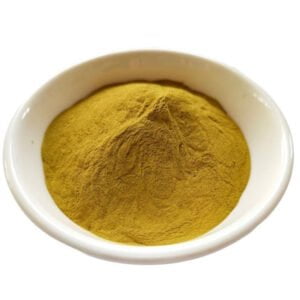
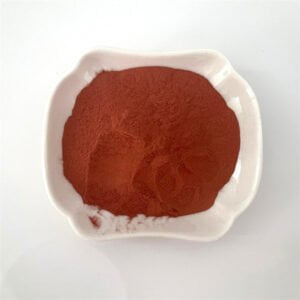
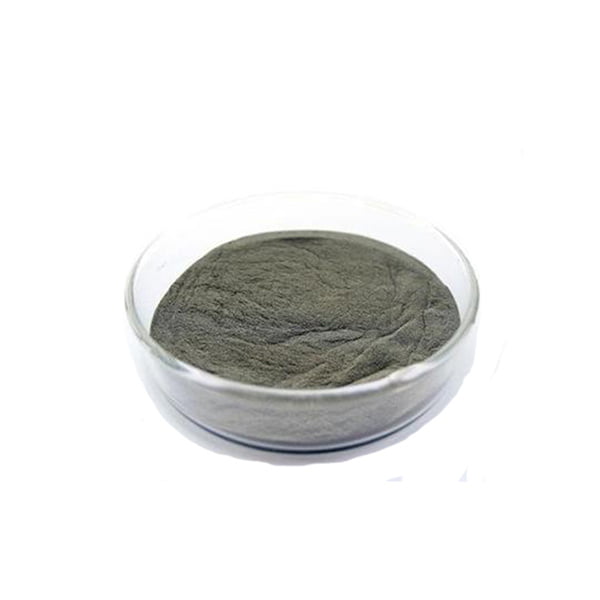
3D printing, also known as additive manufacturing (AM), utilizes metal powders to construct complex components layer by layer directly from digital models. The powders are selectively melted or bound by precision heat sources guided by the CAD model geometries.
Popular AM processes for metals include binder jetting, directed energy deposition, powder bed fusion, sheet lamination, and more. Each requires powder feedstock with specific characteristics to achieve optimal density, surface finish, dimensional accuracy, and mechanical properties.
This guide provides an in-depth look at metal powders for 3D printing, including alloy types, powder production methods, key powder properties, applications, specifications, suppliers, and purchasing considerations when sourcing material. Helpful comparison tables summarize technical data to assist with powder selection and qualification.
Connecting with knowledgeable suppliers of optimized 3D printing powders enables manufacturers to improve print quality, reduce defects, and fully leverage AM benefits like design freedom, faster iteration, and part consolidation.
Alloys for 3D Printing Powders
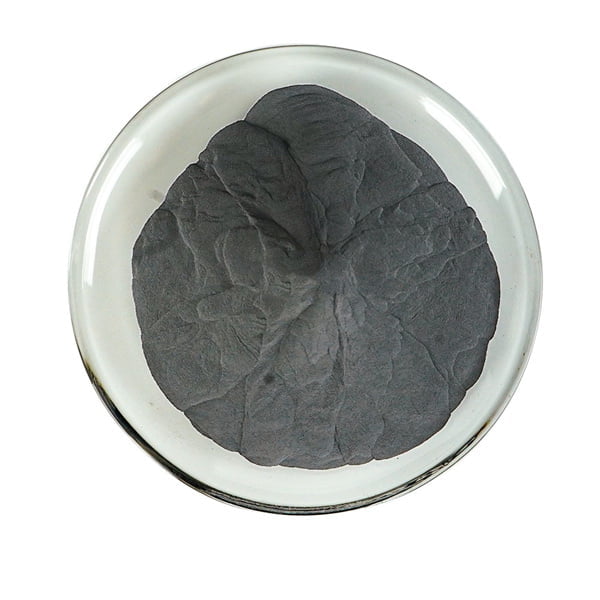
A wide range of metals and alloys are available in powder form suitable for AM processes:
Common Alloy Systems for 3D Printing Metal Powders
- Stainless steels
- Tool steels
- Titanium and titanium alloys
- Aluminum alloys
- Nickel superalloys
- Cobalt-chrome alloys
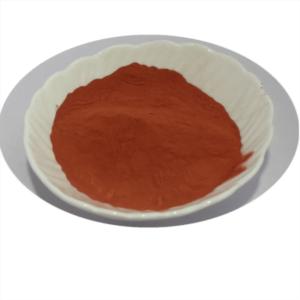
- Copper alloys
- Precious metals
Both standard and custom alloys can be sourced to meet specific application requirements in terms of corrosion resistance, strength, hardness, conductivity, or other properties.
Metal Powder Production Methods for AM
Additive manufacturing utilizes metal powders produced through:
Typical Metal Powder Manufacturing Methods for 3D Printing
- Gas atomization
- Water atomization
- Plasma atomization
- Electrolysis
- Carbonyl iron process
- Mechanical alloying
- Metal hydriding/dehydriding
- Plasma spheroidization
- Granulation
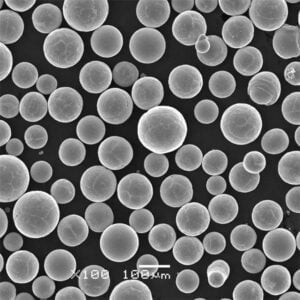
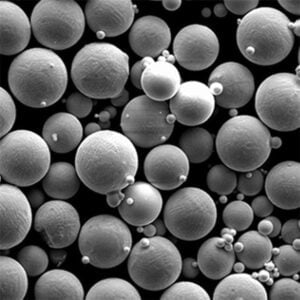
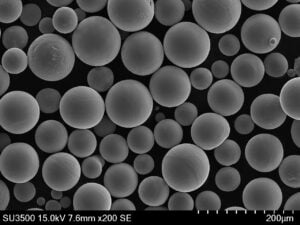
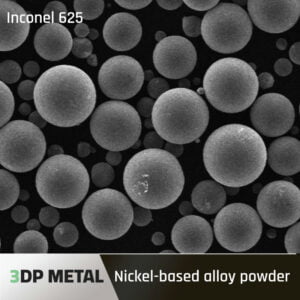
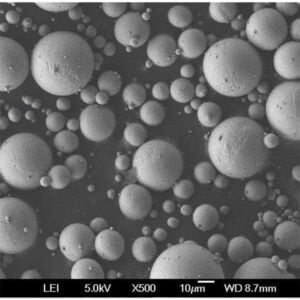
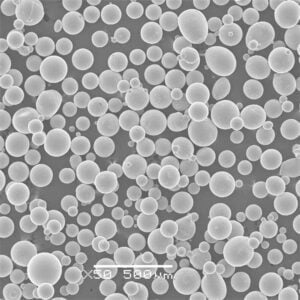
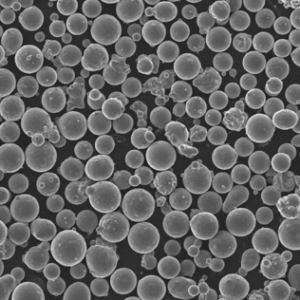
Spherical atomized powders provide optimal flow and dense packing needed for most AM processes. Some techniques allow nanoscale or customized alloy particles.
Key Characteristics of Metal Printing Powders
Critical powder characteristics for AM include:
Metal 3D Printing Powder Properties
| Characteristic | Typical Values | Importance |
|---|---|---|
| Particle size distribution | 10 to 45 microns | Affects densification, surface finish |
| Particle shape | Spherical | Improves flow and packing |
| Apparent density | 2 to 4 g/cc | Influences bed density |
| Tap density | 3 to 6 g/cc | Indicates compressibility |
| Hall flow rate | 25-50 s/50g | Ensures smooth powder spreading |
| Loss on ignition | 0.1-0.5% | Low moisture improves printing |
| Oxygen content | <0.1% | Minimizes microstructural defects |
Precisely controlling characteristics like particle size, shape, and chemistry is critical to achieve fully dense AM parts with the desired mechanical properties.
Applications of 3D Printing Metal Powders
AM enables complex geometries impossible through conventional techniques:
Metal 3D Printing Applications
| Industry | Uses | Benefits |
|---|---|---|
| Aerospace | Turbine blades, structures | Design freedom, weight reduction |
| Medical | Implants, prosthetics, instruments | Customized shapes |
| Automotive | Lightweighting prototypes and tools | Rapid iteration |
| Defense | Drone parts, protective structures | Quick prototypes and short runs |
| Energy | Heat exchangers, manifolds | Part consolidation and topology optimization |
| Electronics | Shielding, cooling devices, EMI | Complex enclosed structures |
Lightweighting, part consolidation, and high-performance alloys for extreme environments provide key advantages over traditional manufacturing methods.
Specifications for 3D Printing Metal Powders
International specifications help standardize AM powder characteristics:
Metal Powder Standards for Additive Manufacturing
| Standard | Scope | Parameters | Test Methods |
|---|---|---|---|
| ASTM F3049 | Guide for characterizing AM metals | Sampling, size analysis, chemistry, defects | Microscopy, diffraction, SEM-EDS |
| ASTM F3001-14 | Titanium alloys for AM | Particle size, chemistry, flow | Sieving, SEM-EDS |
| ASTM F3301 | Nickel alloys for AM | Particle shape and size analysis | Microscopy, image analysis |
| ASTM F3056 | Stainless steel for AM | Chemistry, powder properties | ICP-OES, pycnometry |
| ISO/ASTM 52921 | Standard terminology for AM powders | Definitions and powder characteristics | Various |
Compliance with published specifications ensures repeatable, high quality powder feedstock for critical applications.
Global Suppliers of 3D Printing Metal Powders
Leading international suppliers of AM-optimized metal powders include:
Metal Powder Manufacturers for 3D Printing
| Supplier | Materials | Typical Particle Size |
|---|---|---|
| Sandvik | Stainless, tool steel, nickel alloys | 15-45 microns |
| Praxair | Titanium, superalloys | 10-45 microns |
| AP&C | Titanium, nickel, cobalt alloys | 5-25 microns |
| Carpenter Additive | Cobalt chrome, stainless, copper | 15-45 microns |
| LPW Technology | Aluminum alloys, titanium | 10-100 microns |
| EOS | Tool steel, cobalt chrome, stainless | 20-50 microns |
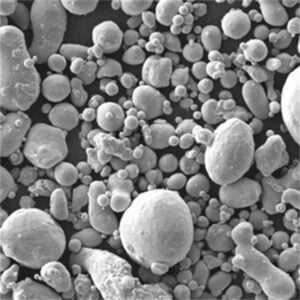
Many focus on fine spherical powders specifically engineered for common AM methods like binder jetting, powder bed fusion, and directed energy deposition.
Purchasing Considerations for 3D Printing Metal Powder
Key aspects to discuss with metal powder suppliers:
- Desired alloy composition and properties
- Target particle size distribution and shape
- Envelope density and hall flowability
- Allowable impurity levels like oxygen and moisture
- Required testing data and powder characterization
- Available quantity range and lead times
- Special handling precautions for pyrophoric materials
- Quality systems and powder origin traceability
- Technical expertise in AM-specific powder requirements
- Logistics and delivery mechanisms
Work closely with suppliers experienced in optimized AM powders to ensure ideal powder selection for your process and components.
Pros and Cons of Metal 3D Printing Powders
Benefits vs Limitations of Metal Powders for AM
| Advantages | Disadvantages |
|---|---|
| Allows complex, customized geometries | Higher cost than conventional materials |
| Shortens development time dramatically | Powder handling precautions required |
| Simplifies assemblies and lightweights | Post-processing often needed on as-printed parts |
| Achieves properties nearing wrought materials | Size and build volume constraints |
| Eliminates expensive dies, molds, tooling | Thermal stresses can cause cracking and distortion |
| Enables parts consolidation and topology optimization | Lower production volumes than traditional methods |
| Improves buy-to-fly ratio greatly | Requires rigorous powder characterization and parameter development |
When used appropriately, metal AM provides game-changing benefits but requires expertise to implement successfully.
FAQ
How small can metal powder particle size be for AM?
Specialized atomization techniques can produce powder down to 1-10 microns, however most metals printers work best with minimum size around 15-20 microns for good flow and packing.
What causes poor surface finish in printed metal parts?
Surface roughness arises from partially melted powder adhered to surfaces, spatter, staircase stepping, and suboptimal melt pool characteristics. Using finer powders and dialing in ideal processing parameters smoothens finish.
Do all metal 3D printing methods work with the same powders?
While there is overlap, binder jetting generally uses a broader powder size distribution than powder bed fusion. Some processes are limited to certain alloys based on melting points or reactivity.
How are mixed or bimetallic powders made?
Prealloyed powders ensure uniform properties but for composites, physical powder blending or specialized atomization techniques provide blended elemental powder mixes.
How long does it take to change powder material in a metal printer?
A full purge and changeover between significantly different alloys requires 6-12 hours typically. Quick changes between similar materials can be under an hour.
Conclusion
Optimized metal powders enable additive manufacturing processes to construct complex, robust metal components with superior properties. Matching alloy chemistry and powder characteristics to the printing method and component performance requirements is critical to high quality results. By partnering with experienced powder suppliers, end users leverage expertise in both powder production and 3D printing processes to develop robust AM components faster and more reliably.